Category | Typical ingredients | Feature |
Organophosphorus | Parathion, dichlorvos, dimethoate, chlorpyrifos, etc. | Highly toxic, inhibits cholinesterase, difficult to degrade |
Pyrethroids | Cypermethrin, deltamethrin, cypermethrin, etc. | Moderately toxic, highly toxic to aquatic organisms |
Triazoles | Tebuconazole, propiconazole, difenoconazole, etc. | Endocrine disruptor, difficult to degrade |
Sulfonylureas | Metsulfuron-methyl, bensulfuron-methyl, chlorimuron-methyl, etc. | High biological activity, toxic even in trace amounts |
Amides | Alachlor, acetochlor, butachlor, etc. | Suspected carcinogen, highly bioaccumulative |
Nitrogen-containing heterocyclic rings | Atrazine, fipronil, prochloraz, etc. | Persistent organic pollutants (POPs) |
Intermediates/by-products | Aniline, chlorobenzene, nitrobenzene, phenol, formaldehyde, AOX (adsorbable organic halides) | Carcinogenic, teratogenic, mutagenic, difficult to degrade |
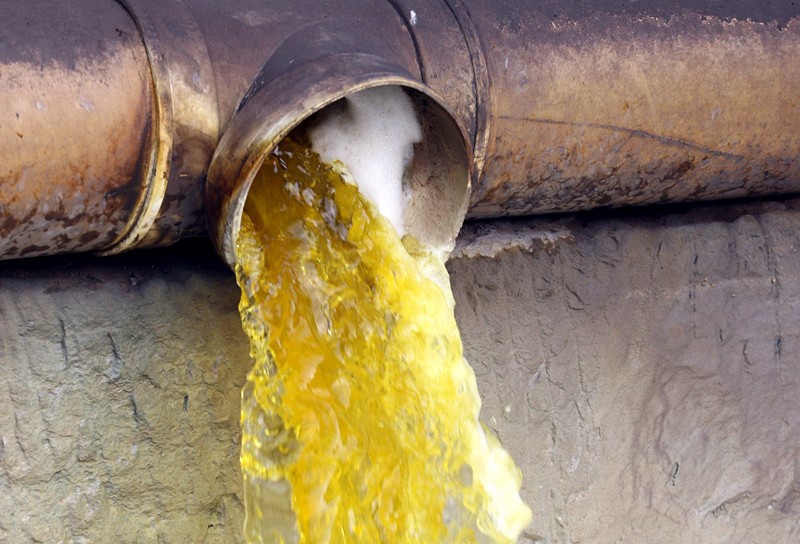
The pesticide production process generates large amounts of wastewater with complex components and is difficult to treat.
This type of wastewater typically exhibits the typical "four highs":
· High organic matter concentration: The chemical oxygen demand (COD) in pesticide wastewater is often extremely high, reaching tens of thousands or even hundreds of thousands of mg/L.
· Highly refractory components: The wastewater contains a large number of chemically stable and highly biotoxic organic compounds, such as organophosphorus, organochlorine, nitrogen-containing heterocycles, benzene derivatives, and other pesticide active ingredients and their production intermediates. These substances are often difficult to effectively degrade by microorganisms.
· High salinity: The pesticide production process generates wastewater with extremely high salinity, with salt concentrations reaching 10-25% or even higher. High salinity inhibits microbial activity, severely impacting biochemical treatment effectiveness, and potentially causing corrosion or scaling in subsequent physical and chemical treatment units.
High toxicity: Many components in pesticide wastewater have strong inhibitory or even lethal effects on microorganisms. Direct biochemical treatment is ineffective and may even lead to system collapse. Furthermore, if these toxic substances are discharged directly or indirectly into the environment, they pose a serious threat to ecosystems and human health.
Application of Ultraviolet Advanced Oxidation Processes (UV-AOPs) in Pesticide Wastewater Treatment
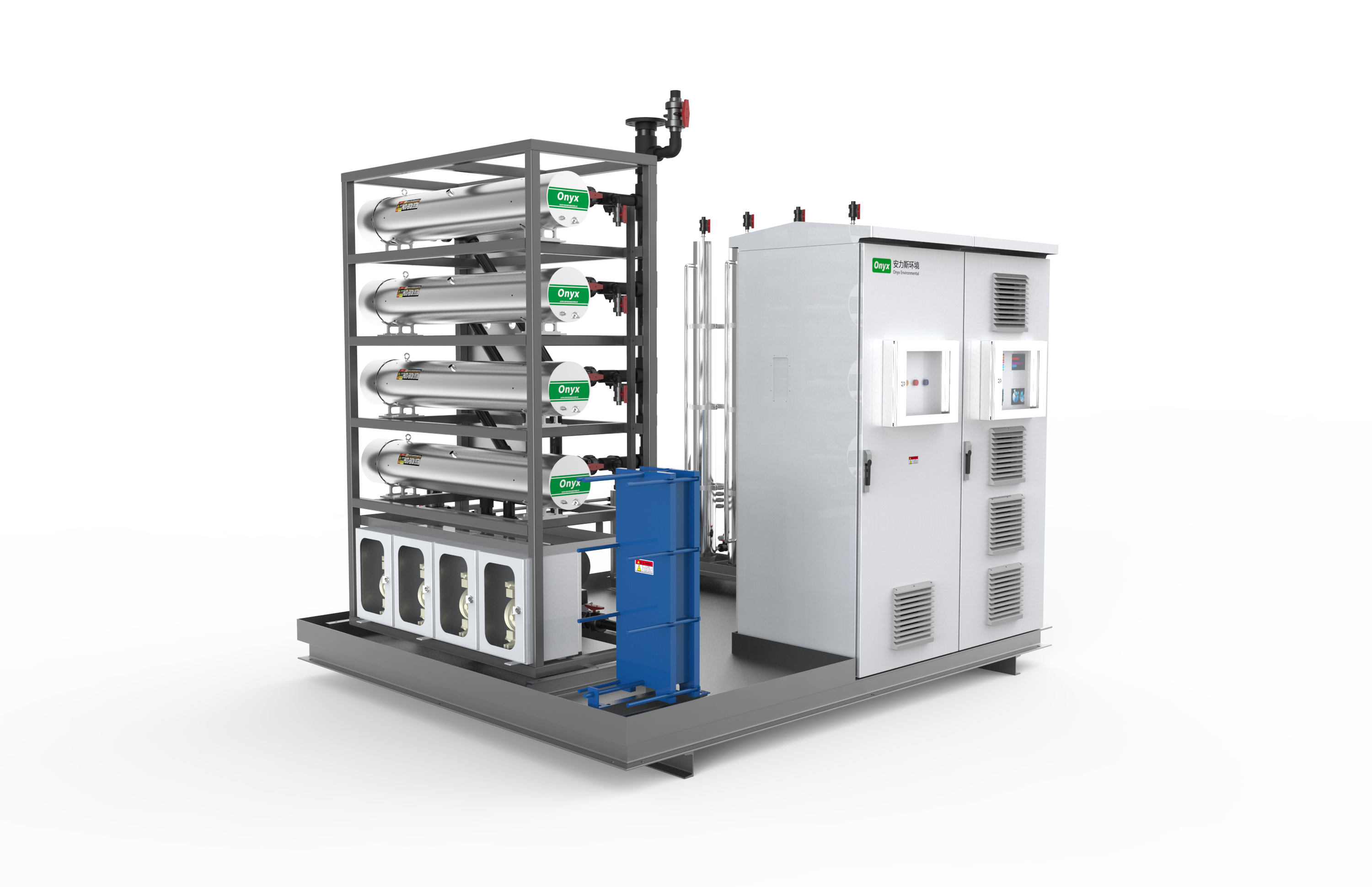
Comparison of UV-AOP and Wet Oxidation (WAO/CWAO) Processes for Treating Pesticide Wastewater
1. High-Concentration Organic Wastewater:
UV-AOPs: While WAO/CWAO processes have certain limitations in COD concentration, they can treat wastewater with extremely high COD concentrations. However, within the COD concentration range of tens of thousands, UV-AOPs offer significant advantages in terms of investment and operating costs, operating conditions, maintenance, service life, and component replacement.
2. High-Salt Wastewater:
UV-AOPs: Unaffected by high salt loads, they can treat wastewater with salinity up to 20%. WAO/CWAO processes are more corrosive to equipment materials under high temperatures and pressures when treating wastewater containing high levels of salt (especially chloride ions), posing greater safety risks.
3. Highly Toxic Wastewater:
UV-AOPs: They can effectively degrade various highly toxic pesticide components, significantly reducing their toxicity. They are more cost-effective than WAO/CWAO processes for decomposing highly toxic pesticides.
4. High-Difficulty (Complex Component) Wastewater:
UV-AOPs: Due to their non-selective oxidation of ·OH, they have a certain degree of universal applicability for mixed pesticide wastewater. However, the degradation rates of different components vary significantly, requiring targeted optimization of process parameters. WAO/CWAO both have the ability to oxidize complex organic mixtures, but they have difficulty degrading certain small-molecule organic acids (such as acetic acid), which may become a treatment bottleneck.
UV-AOPs are more suitable than wet oxidation WAO/CWAO for the following applications:
1. Pesticide wastewater with medium-to-high concentrations (COD < 50,000 mg/L) but high toxicity and poor biodegradability. The primary goal is to reduce toxicity, increase efficacy, and improve biodegradability, serving as an effective pretreatment for subsequent biochemical treatment.
2. Applications requiring mild operating conditions (ambient temperature and pressure) and flexible start-up and shutdown.
3. Applications with limited space requiring compact, modular equipment.
4. Removal of pollutants with specific photosensitivity or susceptible to ·OH attack.
5. High-salinity, essentially saturated, high-salinity wastewater.

 WSH紫外明渠
WTV紫外垂直模块
ZL大型管道式紫外
CLEAR中压紫外
MOL板式臭氧发生器
UV-AOP高级氧化
D.FITE滤布滤池
WSH紫外明渠
WTV紫外垂直模块
ZL大型管道式紫外
CLEAR中压紫外
MOL板式臭氧发生器
UV-AOP高级氧化
D.FITE滤布滤池