WSH紫外明渠
WTV紫外垂直模块
ZL大型管道式紫外
CLEAR中压紫外
MOL板式臭氧发生器
UV-AOP高级氧化
D.FITE滤布滤池
ZL大型管道式紫外
CLEAR中压紫外
UV-AOP高级氧化
Extrem中压紫外
EX-Ue紫外
EX-UPW-TOC紫外
MOM板式臭氧发生器
MOS板式臭氧发生器
UV-Fenton光芬顿
UV-Oxidation紫外光氧化
EX-L紫外消毒器
EX-U紫外消毒器
ZL大型管道式紫外
CLEAR中压紫外
One-UV紫外消毒器
Extrem中压紫外
UV-AOP高级氧化
MOS板式臭氧发生器
COG板式臭氧发生器
UV-Fenton光芬顿
中压UV-Oxidation紫外光氧化
光解
巴氏消毒替代
光催化
低压UV-Oxidation紫外光氧化
光选机
并联机器人
直角坐标机器人
赛博一体化集装箱污水处理
D.FITE滤布滤池
模块化污水处理
Modu Ozone板式臭氧
Industrial wastewater is often characterized by complex composition, high pollutant concentrations, high toxicity, and resistance to biodegradation, making it "difficult wastewater." The petroleum, chemical, pharmaceutical, pesticide, and textile printing and dyeing industries are major sources of this type of wastewater. Common characteristics include high chemical oxygen demand (COD), bioinhibitory or toxic substances, high salinity, and poor biodegradability.
During biological treatment, the presence of refractory organic matter and toxic substances in wastewater can severely inhibit microbial activity, resulting in poor biochemical treatment results. Effective pretreatment can improve wastewater quality by increasing biodegradability (BOD5/COD ratio), reducing toxicity, and degrading large organic molecules, thereby creating favorable conditions for subsequent biological treatment or other advanced treatment processes.
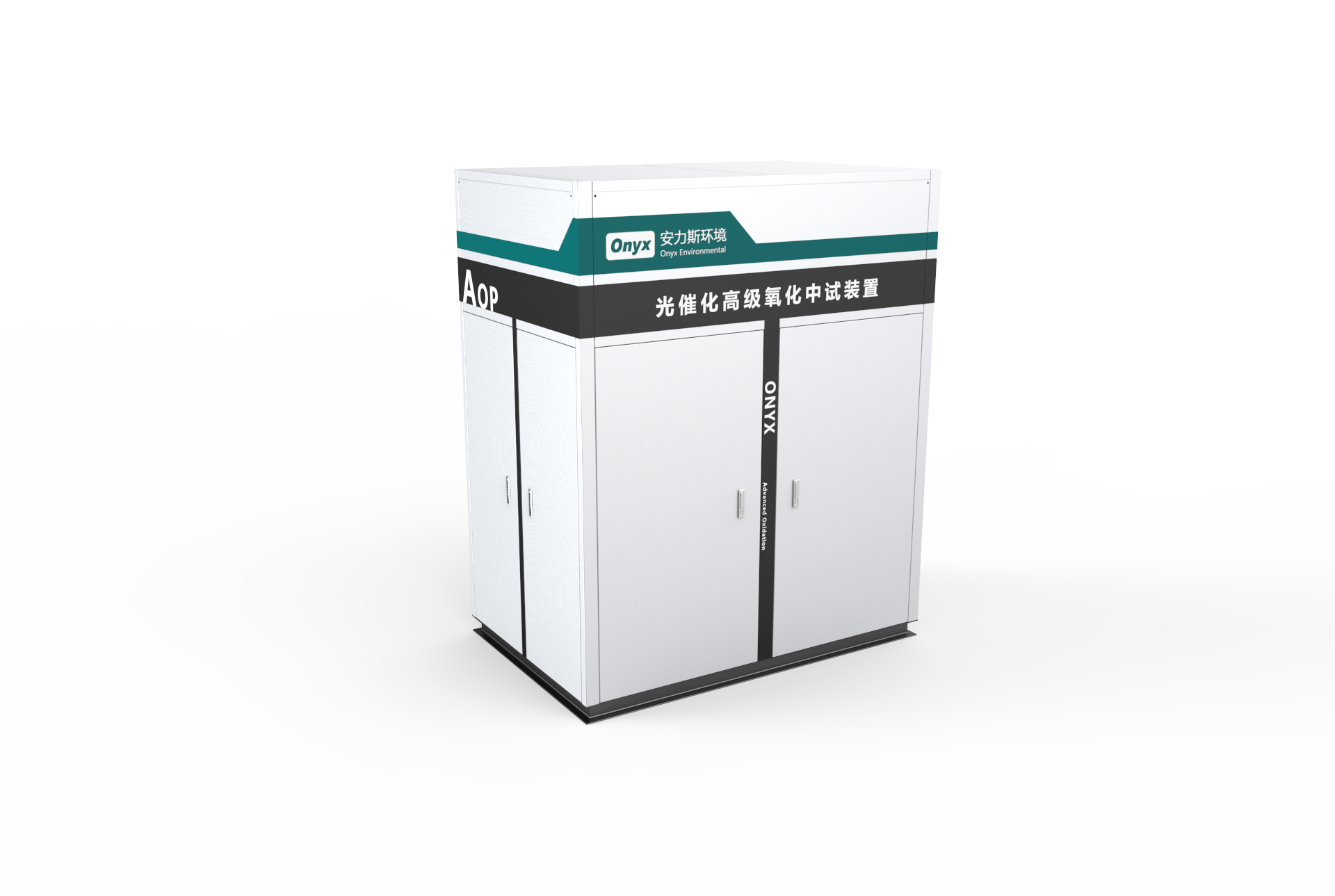
The core of UV-AOPs technology lies in the activation of oxidants or catalysts through ultraviolet radiation, efficiently generating highly oxidizing hydroxyl radicals (OH), which in turn oxidize and degrade organic pollutants in water. It is a preferred pretreatment process for difficult industrial wastewater.

UV-AOPs primarily include the following:
·UV/H2O2 Process: H2O2 undergoes photolysis under UV light to produce ·OH.
This process is relatively simple to operate, suitable for a wide pH range and a wide range of influent concentrations. The H2O2 decomposition products are H2O and O2, resulting in no secondary pollution.
·UV/O3/H2O2 Process: Ozone itself has strong oxidizing properties, and its combination with UV light can significantly increase the yield of ·OH and the efficiency of pollutant degradation. This process combines photolysis, direct ozone oxidation, and hydroxyl radical oxidation, making it particularly suitable for treating complex and complex water bodies.
UV/Fenton (Photo-Fenton) Process: UV light is introduced to the traditional Fenton reagent (Fe2+/H2O2). UV light promotes the reduction of Fe3+ to Fe2+, accelerates the Fenton reaction cycle, increases ·OH yield, and broadens the optimal pH range.
Key metrics for measuring the effectiveness of industrial wastewater pretreatment:
·BOD5/COD improvement
·Specific pollutant removal
·COD removal rate

To improve treatment efficiency, UV advanced oxidation processes can incorporate pretreatment at the front end of the process.
Physical and chemical pretreatment techniques such as coagulation and sedimentation, flotation, activated carbon adsorption, and filtration can be combined individually to increase UV light transmittance and the effective utilization of ·OH, thereby reducing overall treatment costs.

Clear Medium Pressure UV Disinfection System
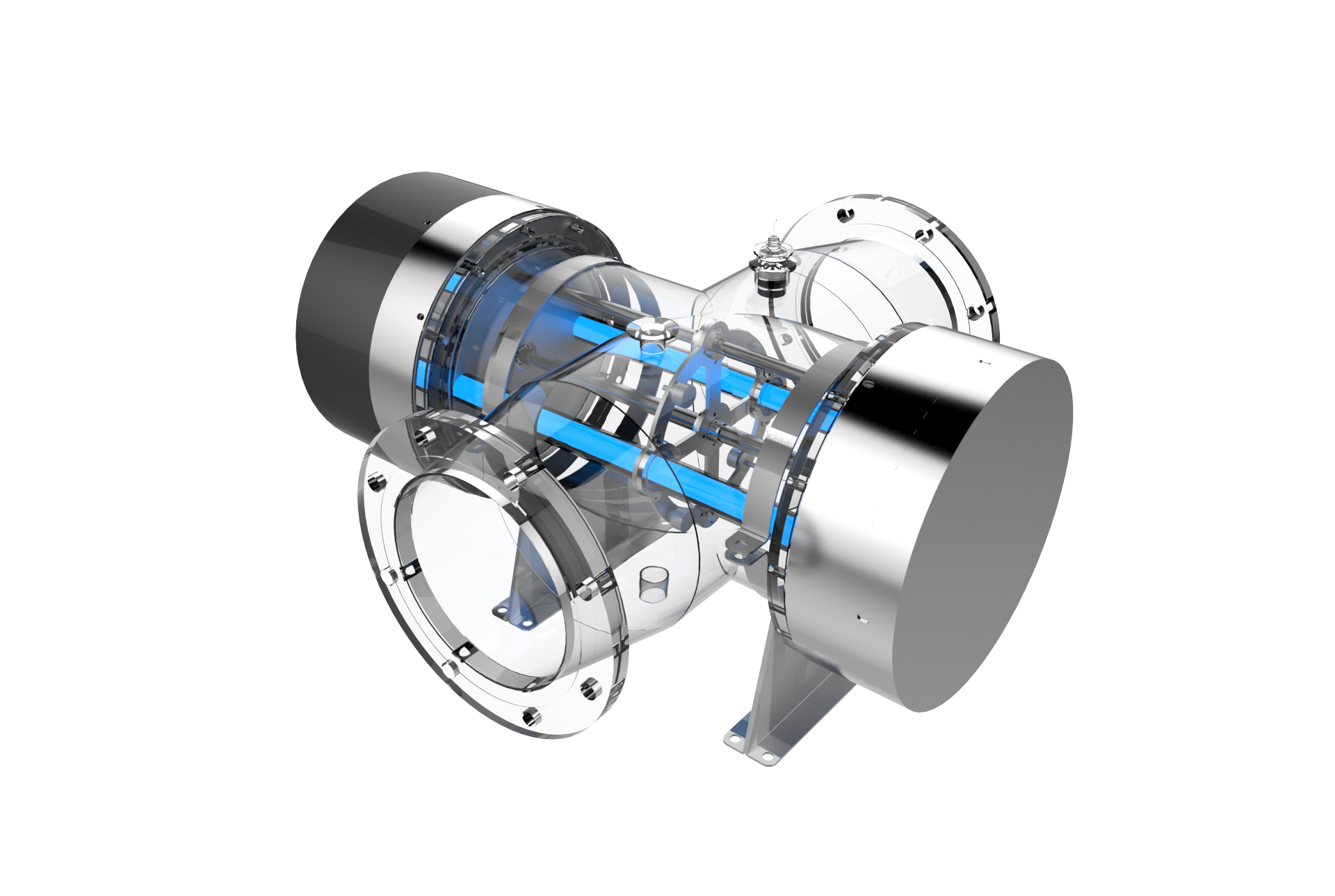
The ONYX-Clear-GY in-line medium-pressure UV disinfector utilizes medium-pressure, multi-spectrum UV lamps (wavelength range 200 to 400 nm), offering a wider spectrum than single 254nm low-pressure UV lamps. It offers more thorough disinfection, broad-spectrum disinfection, spectral dechlorination, and 185nm photolysis.
It is suitable for applications in aquaculture, brewing, beverage, boiler feed water, and cooling water.
UV-AOP Advanced Oxidation
Ultraviolet Advanced Oxidation Process (UV-AOP) is an environmentally friendly technology that uses ultraviolet radiation to trigger oxidation reactions. Its core principle is to use UV light to excite oxidants to generate highly oxidizing free radicals, which in turn degrade organic and inorganic pollutants. UV-AOP is characterized by high efficiency, environmental friendliness, and zero secondary pollution. UV-AOP systems can be categorized into various types depending on the type of oxidant, the most common of which include UV/hydrogen peroxide, UV/ozone, and UV/chlorine.
ONYX-Clear-SZ-AOP can serve as the UV light source for UV-AOP. This UV-AOP system can be used to degrade toxic micropollutants such as nitrosodimethylamine, 1,4-dioxane, endocrine disrupting chemicals (EDCs), pesticide residues, cyanobacterial toxins, GSM (geosmin), and 2-MIB (dimethylisoborneol).
MOM Ceramic Plate CD Ozone Generator
The MOM series of large ozone generators feature a highly efficient plate-type ozone generation system, a simple, high-end modular assembly design, a stable power supply system discharge module, a uniform discharge module cooling unit, sophisticated porcelain dielectric processing, and convenient construction and installation to ensure optimal ozone concentration and efficiency. These devices offer low energy consumption, high concentration, high power density, high reliability, ease of use, and intelligent functionality. They are widely used in drinking water treatment, reclaimed water and wastewater treatment, aquaculture and aquatic product processing, swimming pool disinfection, industrial oxidative bleaching, and landfill leachate treatment.
UV-Fenton
Photo-Fenton is an advanced oxidation process (AOP) that combines the traditional Fenton reaction with photochemical excitation. It significantly enhances the oxidation capacity of the Fenton system through ultraviolet irradiation, achieving efficient mineralization of difficult-to-degrade organic pollutants. Its core principle is to utilize light energy to accelerate the circulation of iron ions and promote the generation of hydroxyl radicals (·OH). It offers significant advantages in reducing iron sludge production, increasing reaction rates, and lowering operating costs. It is particularly suitable for treating high-concentration, highly toxic industrial wastewater.