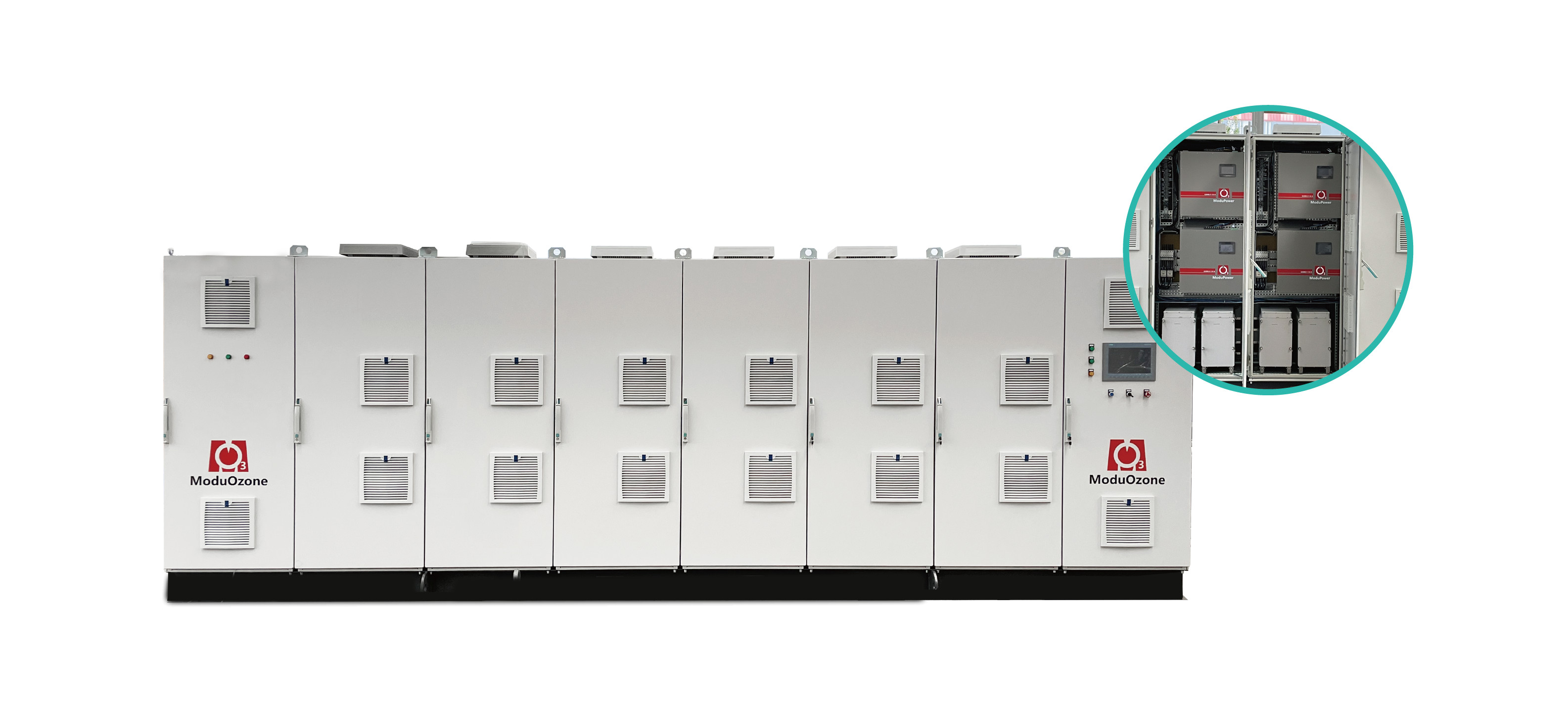
Ozone (O₃) is a pale blue gas composed of three oxygen atoms. It possesses powerful oxidizing properties, effectively inactivating pathogens and oxidizing organic pollutants. Ozone oxidation can be categorized into direct and indirect oxidation:
· Direct oxidation: Molecular ozone (O₃) reacts directly with certain organic and inorganic substances in water. This reaction is highly selective, and its redox potential reaches as high as 2.07V.
· Indirect oxidation: Ozone's instability in water causes it to decompose, particularly under specific pH conditions (usually alkaline) or in the presence of initiators (such as H₂O₂ or UV). This produces a range of highly reactive oxygen species, the most prominent of which is the hydroxyl radical (·OH), which has a redox potential of up to 2.80V.
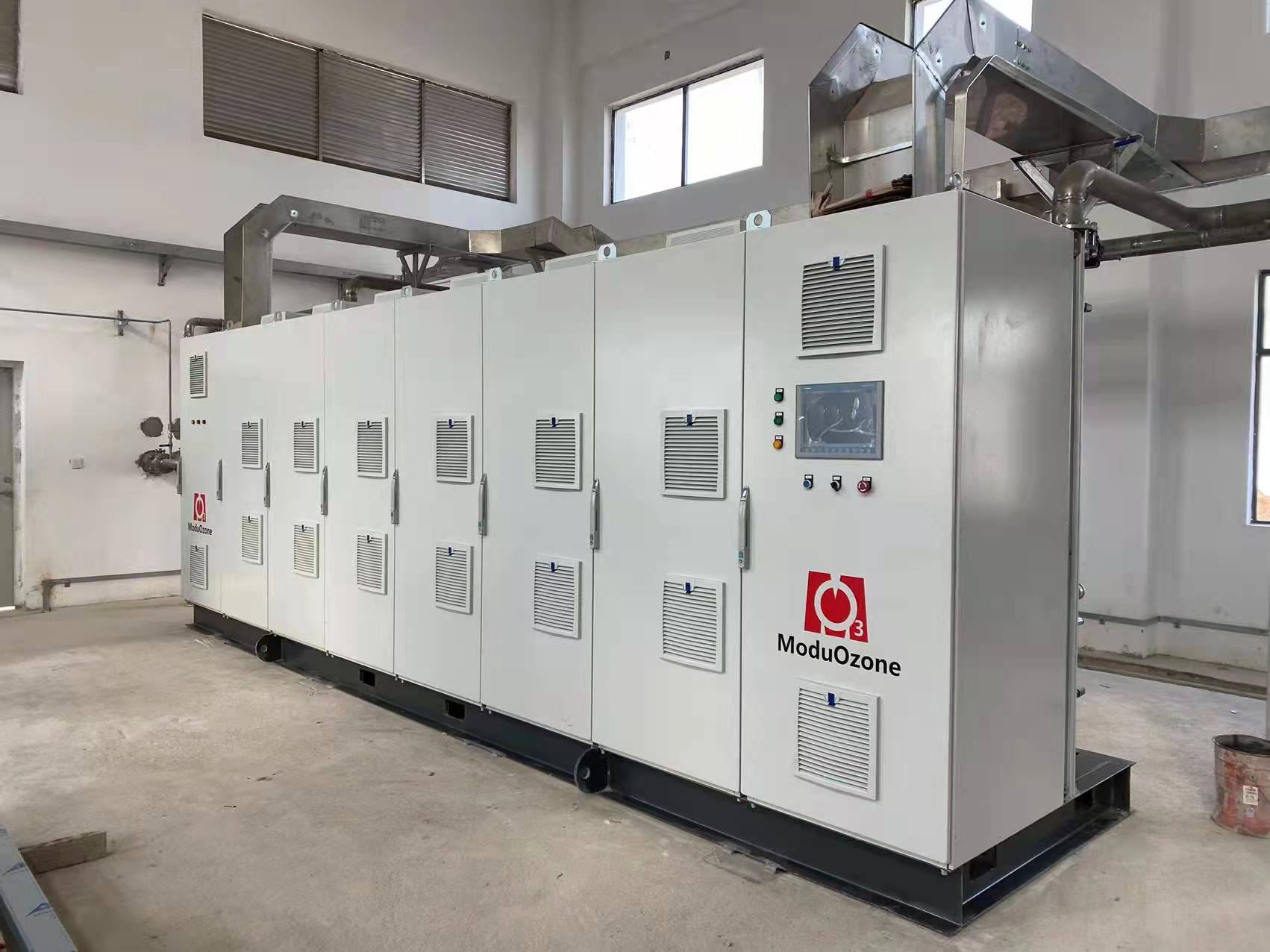
Applications in Municipal Wastewater Reclamation:
Advanced treatment and disinfection, micropollutant removal, effluent quality improvement, sludge reduction and treatment

Industrial Wastewater Applications:
Reduces COD and TOC, removes toxic substances, and improves the biodegradability of wastewater.
Drinking Water Safety Applications:
Ozone technology in drinking water treatment primarily disinfects and improves water quality sensory indicators, while also removing trace organic pollutants.
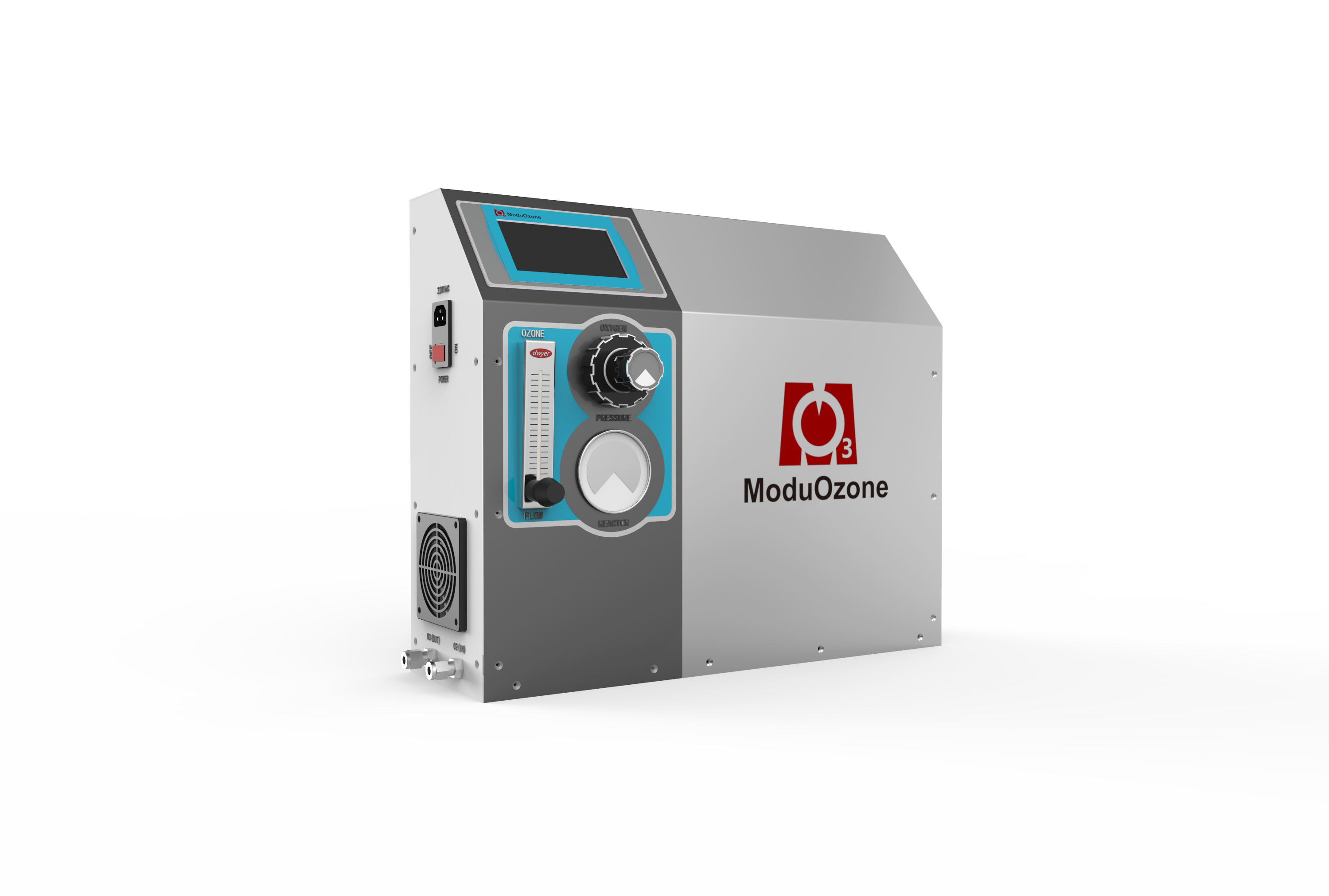
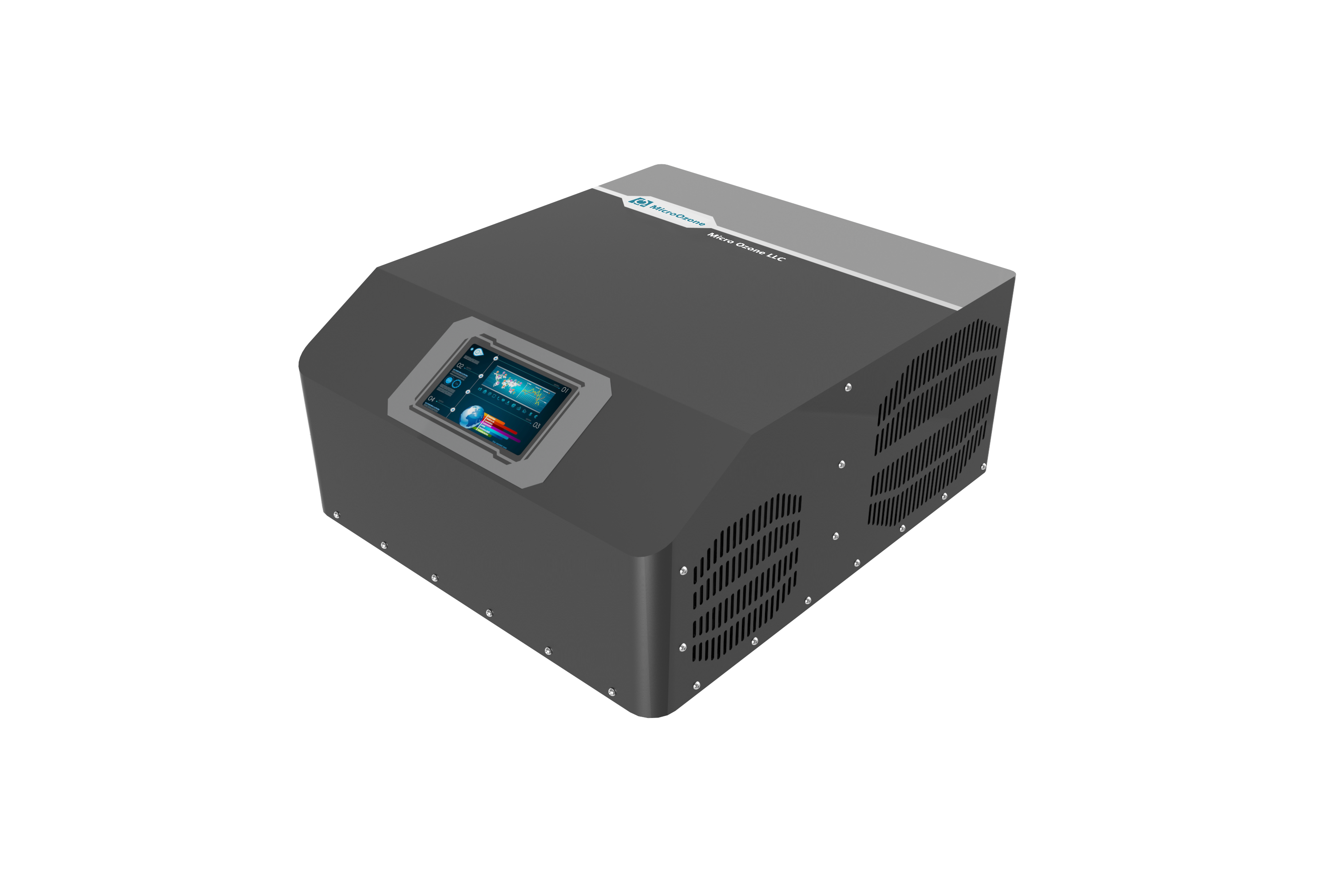
Semiconductor Manufacturing:
Ultrapure water (UPW) is the lifeblood of semiconductor production. Ozone technology is used in UPW preparation and related process fluid treatment for total organic carbon (TOC) removal, photoresist stripping, wafer cleaning, and surface treatment.
Ozone Advanced Oxidation Processes:
·Catalytic Ozone Oxidation: Metal oxides (such as MnO₂, Fe₂O₃, and CeO₂) or supported precious metal catalysts catalyze ozone decomposition to improve the efficiency and selectivity of ozone decomposition to produce OH, reduce ozone dosage, and minimize byproducts.
·Combined O₃/H₂O₂, O₃/UV, and O₃/H₂O₂/UV processes: Optimizing operating parameters such as pH, H₂O₂ to O₃ feed ratio, UV wavelength and irradiation intensity, and reactor design maximizes synergistic effects.
Process Flowchart:
Ozone Pretreatment + Subsequent Biological Treatment
Biological Treatment + Advanced Ozone Treatment + Subsequent Biological Filtration (e.g., BAF, MBBR)
Ozone Pretreatment + Membrane Filtration
Membrane Concentration + Ozone Oxidation Treatment of Concentrate
Combined Ozone-Adsorption Process
Onyx High-Efficiency Ozone Generation Technology: Developing new ozone generators with higher energy efficiency (lower power consumption), more compact structure, lower cost, and longer lifespan. For example, this involves exploring new electrode materials and structures for dielectric barrier discharge (DBD), microgap discharge technology, and electrolytic ozone production.
Ozone Dosing Technology: Utilizing micron- or nano-sized ozone bubbles to increase the gas-liquid contact surface area and extend the bubble residence time in water, significantly improving ozone mass transfer efficiency and utilization. This technology is particularly suitable for systems with poorly soluble gases and high-viscosity liquids (ResearchGate - Micro-Nano Bubbles with Ozone).

 WSH紫外明渠
WTV紫外垂直模块
ZL大型管道式紫外
CLEAR中压紫外
MOL板式臭氧发生器
UV-AOP高级氧化
D.FITE滤布滤池
WSH紫外明渠
WTV紫外垂直模块
ZL大型管道式紫外
CLEAR中压紫外
MOL板式臭氧发生器
UV-AOP高级氧化
D.FITE滤布滤池