Ultraviolet photochemical reaction is a chemical reaction that uses the energy of ultraviolet photons to trigger molecules to absorb photons and form excited states.
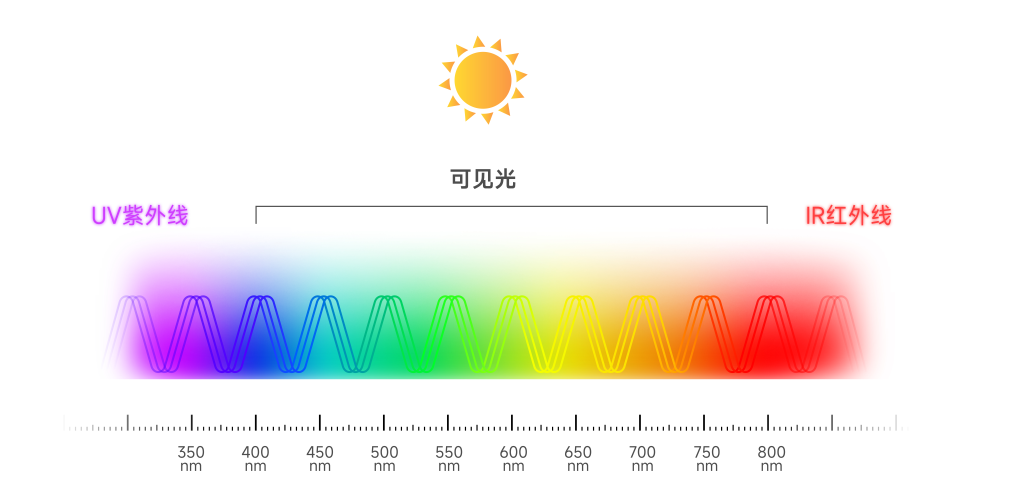
Ultraviolet light (UV) is a wavelength in the electromagnetic spectrum between 100 nanometers (nm) and 400 nm. UV light can be further classified based on its wavelength:
· UV-A (320-400 nm): This light has lower energy and primarily causes electronic excitation in molecules. It is used in photocuring and photocatalysis.
· UV-B (280-320 nm): This light has higher energy and can cause sunburn. It is used in photochemical reactions.
· UV-C (200-280 nm): This light has very high energy and possesses strong bactericidal properties. The 254 nm wavelength is widely used in disinfection due to its close absorption peak with microbial DNA. This wavelength is also commonly used for photochemical degradation.
· Vacuum UV (100-200 nm): This light has the highest energy and is strongly absorbed by oxygen in air. It must be used in a vacuum or under specific inert gas environments. VUV light with a wavelength of 185 nm can directly break down water molecules to produce hydroxyl radicals, making it very effective in degrading total organic carbon (TOC).
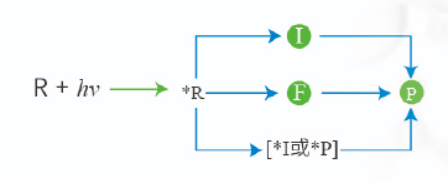
There are two main reaction pathways in photochemical reactions:
1. Photolysis
A molecule (M) absorbs ultraviolet photons of a specific wavelength (hv) and transitions to an excited state (M*). Excited molecules are unstable and can deactivate in various ways, one of which is chemical bond breakage, forming free radicals or smaller molecular fragments, leading to molecular degradation.
M+ hy-M*. M* → degradation products
2. Photocatalytic Oxidation
Photocatalytic oxidation uses semiconductor materials as catalysts (such as TiO2). When ultraviolet light strikes the catalyst, it absorbs light and generates electron-hole pairs. When photons with energy greater than the band gap of TiO2 (approximately 3.2 eV for anatase, corresponding to a wavelength of approximately 387 nm) strike its surface, electrons (e-) in the valence band (VB) are excited and transition to the conduction band (CB), leaving behind a positively charged hole (h+) in the valence band.
TiO₂ + hv → TiO₂(e- + h+)
The photogenerated electrons and holes migrate to the catalyst surface. The holes (h+) that migrate to the catalyst surface have strong oxidizing properties, while the electrons (e-) that migrate to the catalyst surface have reducing properties.
Application of UV Photochemical Technology in Industrial Wastewater Treatment:
Ultraviolet Advanced Oxidation Processes (UV-AOPs) have broad application prospects in industrial wastewater treatment due to their high efficiency in degrading difficult-to-treat organic matter, non-selective attack, and mild reaction conditions.
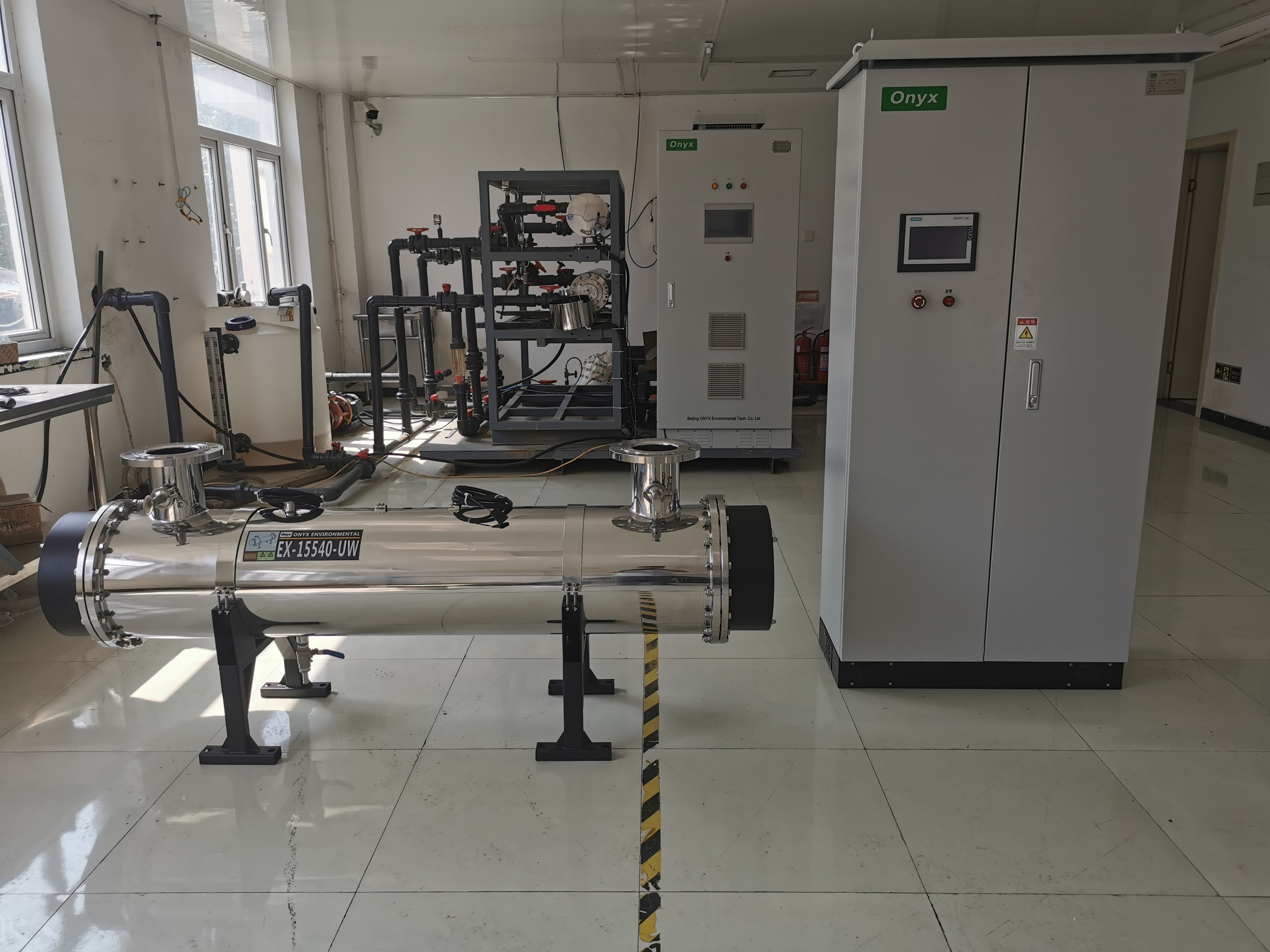
Application of UV Photochemical Technology in Purified Water Treatment:
Purified water treatment, particularly in high-tech industries such as pharmaceuticals, food and beverages, and electronics, places extremely stringent demands on water purity. UV photochemical technology, due to its high efficiency, cleanliness, and minimal (or no) use of added chemicals, plays an irreplaceable role in producing high-purity water, removing trace organic matter, and controlling microorganisms in these sectors.

 WSH紫外明渠
WTV紫外垂直模块
ZL大型管道式紫外
CLEAR中压紫外
MOL板式臭氧发生器
UV-AOP高级氧化
D.FITE滤布滤池
WSH紫外明渠
WTV紫外垂直模块
ZL大型管道式紫外
CLEAR中压紫外
MOL板式臭氧发生器
UV-AOP高级氧化
D.FITE滤布滤池