Reverse Osmosis (RO) has efficient desalination and impurity removal capabilities and is an indispensable core water treatment component in water treatment fields such as seawater desalination, industrial pure water preparation, electronic ultrapure water production, reclaimed water reuse, and drinking water purification.
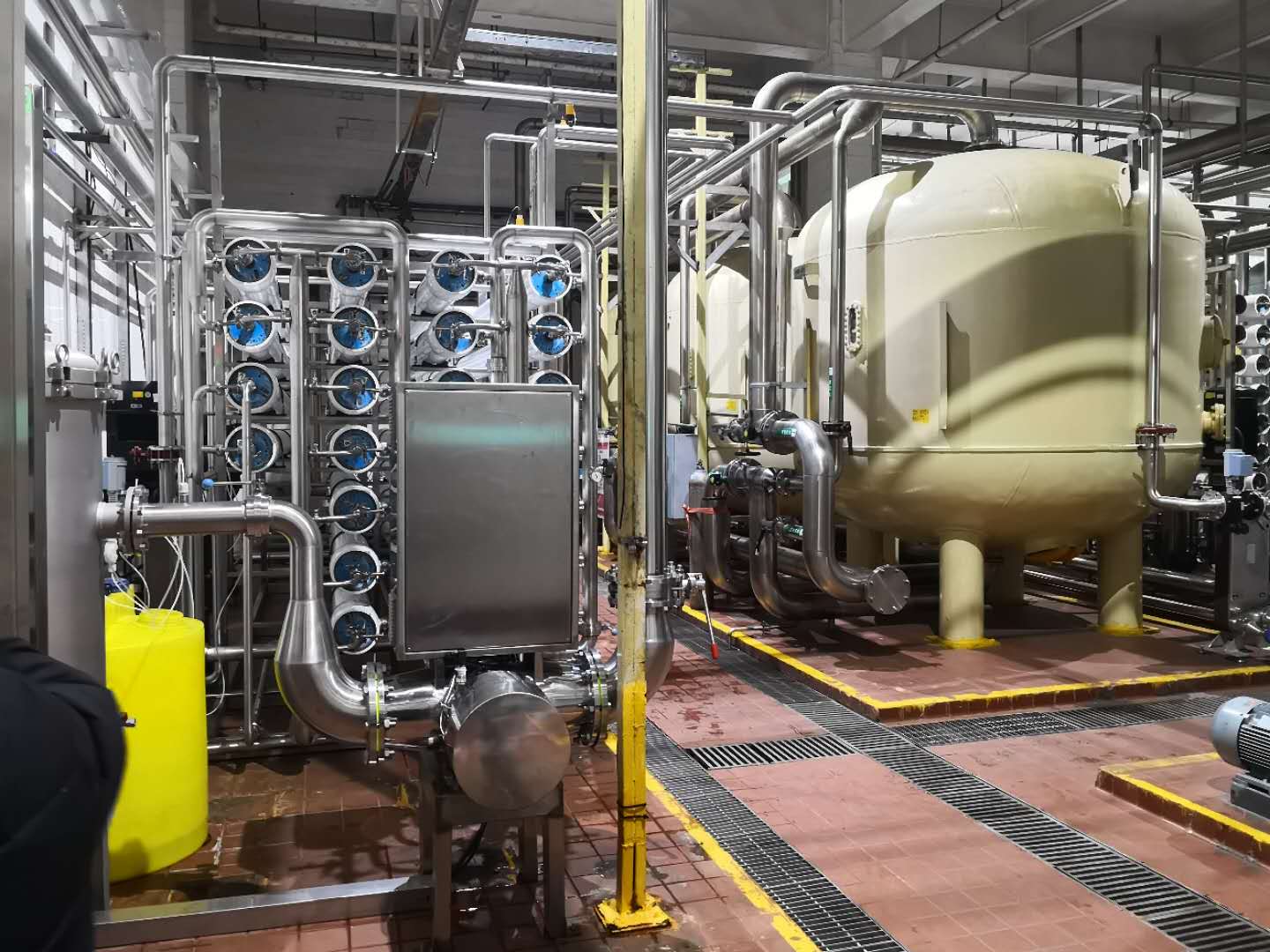
During the long-term operation of reverse osmosis systems, biofouling remains a major bottleneck hindering their efficient and stable operation.
·Biofouling is caused by microorganisms attaching, growing, and secreting extracellular polymeric substances (EPS) on the surface of reverse osmosis membranes, forming a biofilm. This significantly reduces water production, increases operating pressure, shortens membrane life, and increases the frequency of chemical cleanings and reagent consumption, thereby driving up overall operating costs.
Traditional control methods for biofouling, such as chemical dosing, have many limitations.
Ultraviolet (UV) disinfection technology shows great potential for controlling biofouling in reverse osmosis membranes.

The most common method for combating biofouling is the addition of chemical agents, such as non-oxidizing biocides and scale inhibitors.
When biofouling occurs, the primary remedial measure is chemical cleaning. Biofilm and contaminants on the membrane surface can be removed by using acidic or alkaline cleaning agents, as well as specialized cleaning formulas containing surfactants, chelating agents, and enzymes.
In reverse osmosis systems, ultraviolet disinfection primarily controls biofouling through pretreatment.
Pretreatment involves installing a UV disinfector after the pretreatment unit and before the RO membranes in a reverse osmosis system, ensuring that the water entering the membrane modules has been adequately inactivated by microorganisms.
The required UV dose depends on:
· The target microbial species; different microorganisms have varying degrees of sensitivity to UV (for example, viruses are generally more sensitive than bacterial spores).
· Water quality (especially UVT); poor water quality requires a higher dose to compensate.
· The total bacterial count in the influent and the corresponding inactivation rate (log N).
In the system design, membrane cleaning should be coordinated with the application of ultraviolet technology in reverse osmosis anti-fouling and blockage, and ensure that the water discharged after ultraviolet light during normal operation after cleaning is in a sterile environment.

 WSH紫外明渠
WTV紫外垂直模块
ZL大型管道式紫外
CLEAR中压紫外
MOL板式臭氧发生器
UV-AOP高级氧化
D.FITE滤布滤池
WSH紫外明渠
WTV紫外垂直模块
ZL大型管道式紫外
CLEAR中压紫外
MOL板式臭氧发生器
UV-AOP高级氧化
D.FITE滤布滤池