Advanced Oxidation Processes (AOPs) are an effective solution for treating refractory organic pollutants.
The core of AOPs lies in the generation of hydroxyl radicals (OH) or other reactive free radicals with extremely strong oxidizing power, which can non-selectively degrade organic pollutants and mineralize them into small inorganic molecules such as CO2 and H2O.
Ultraviolet Advanced Oxidation Processes (UV-AOPs) combine ultraviolet light with oxidants (such as hydrogen peroxide (H2O2) and ozone (O3)) or photocatalysts (such as titanium dioxide (TiO2)) to generate highly reactive free radicals, which in turn oxidize and degrade organic pollutants in water.
The hydroxyl radical (OH) is the primary reactive oxidant species in most UV-AOPs. It is an extremely strong oxidant with a standard redox potential of 2.80 V (vs. standard hydrogen electrode), second only to fluorine.
·OH is highly reactive and non-selective, rapidly attacking C-H bonds, C=C double bonds, and aromatic rings in the molecular structures of nearly all organic pollutants.
·OH is generated through various pathways. In the UV/H2O2 process, H2O2 undergoes homolytic cleavage under UV light to produce ·OH.
In the UV/O3 process, O3 photolysis produces H2O2, which in turn photolyzes to produce ·OH. Furthermore, O3 decomposition itself can also produce ·OH under certain conditions.
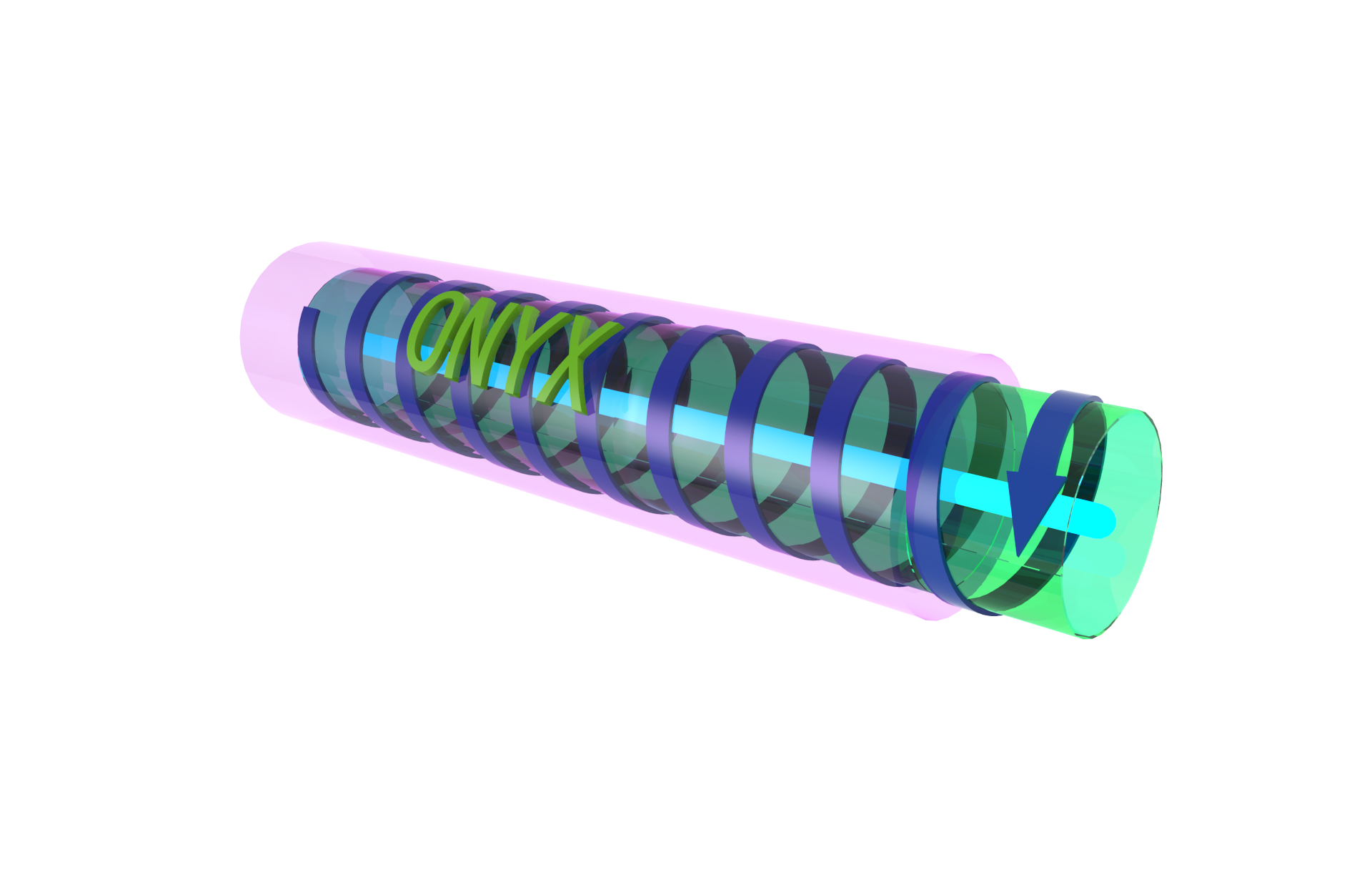
UV light plays multiple roles in UV-AOPs:
1. Direct photolysis of organic matter: For certain organic pollutants with specific chemical structures (such as those containing unsaturated bonds or specific chromophores), UV light of a specific wavelength can directly break their molecular bonds, causing photolysis.
2. Activation of oxidants: This is the primary function of UV-AOPs. UV photons can be absorbed by oxidant molecules (such as H₂O₂ and O₃), providing sufficient energy for their decomposition to produce ·OH or other active free radicals.
Pollutant degradation pathways occur through the following reactions between the generated ·OH and organic pollutants:
·Hydrogen abstraction: OH abstracts hydrogen atoms from organic molecules, forming organic free radicals, which can undergo further oxidation.
·Electrophilic addition: OH adds to unsaturated bonds (such as C=C or C=C) or aromatic rings in organic molecules, forming addition product free radicals.
·Electron transfer: OH removes electrons from organic molecules, causing oxidation.
The organic free radicals or intermediates generated by these initial reactions are generally unstable and will continue to undergo chain scission, ring opening, and oxidation reactions, gradually degrading into smaller, less toxic intermediates. Ultimately, ideally, they can be completely mineralized into simple inorganic substances such as CO2, H2O, and inorganic acids.
The treatment effectiveness of UV-AOPs is influenced by a combination of factors:
·UV light source characteristics
·Oxidant type and concentration
·Water quality conditions
·Target pollutant characteristics
·Reactor design
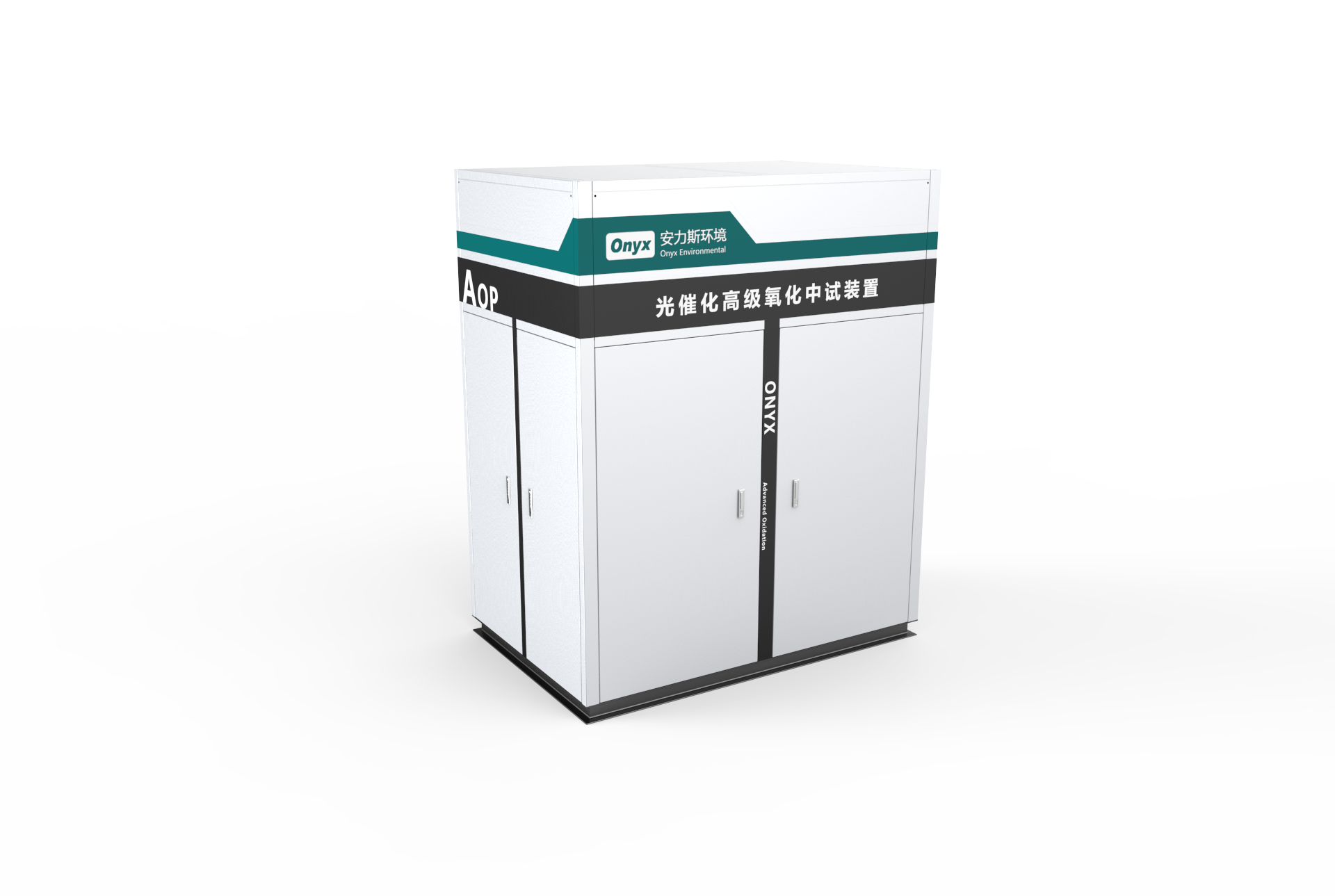
·UV/Persulfate (PS/PDS) Process: Persulfates include potassium permonosulfate complexes (PMS, the main active ingredient is HSO₄) and peroxydisulfates (PDS, S₂O₄₂). When activated by ultraviolet light (typically 254 nm or shorter wavelength), they effectively generate highly oxidizing sulfate radicals (SO₄₄, E₀ = 2.5-3.1 V) and hydroxyl radicals (OH).
·UV/Chlorine Process: This process utilizes UV light to irradiate a chlorine-containing disinfectant (such as free chlorine (HOCl₂/OCl₄) or combined chlorine (such as monochloramine (NH₂Cl₄)) to generate OH and reactive chlorine radicals (RCS, such as Cl₂ and Cl₂₄). These radicals work synergistically to degrade organic pollutants.
Ultraviolet advanced oxidation processes (UV-AOPs) have been increasingly widely used in drinking water deep treatment, industrial wastewater treatment, municipal wastewater recycling and reuse, and emerging contaminants (ECs) control due to their advantages in efficiently degrading refractory organic matter, reducing disinfection by-products, and improving water quality safety.

 WSH紫外明渠
WTV紫外垂直模块
ZL大型管道式紫外
CLEAR中压紫外
MOL板式臭氧发生器
UV-AOP高级氧化
D.FITE滤布滤池
WSH紫外明渠
WTV紫外垂直模块
ZL大型管道式紫外
CLEAR中压紫外
MOL板式臭氧发生器
UV-AOP高级氧化
D.FITE滤布滤池