·Phenolic compounds (such as phenol, chlorophenol, and nitrophenol)
Phenolic compounds are common toxic pollutants in industrial wastewater, widely found in wastewater from industries such as oil refining, chemical processing, coking, and pharmaceuticals.
They are generally highly biotoxic, and some phenols (such as chlorophenol and nitrophenol) are listed as priority pollutants for control, exhibiting carcinogenic, teratogenic, and mutagenic properties. The benzene ring structure of phenolic compounds is relatively stable, while some substituted phenols (such as nitrophenol) are more difficult to degrade.
Phenolic compounds, especially nitrophenol, have strong absorption peaks in the UV region, making them well-suited for pretreatment using UV photooxidation technology.
Phenolic compounds compete with H₂O₂ for UV photon absorption, thereby reducing the photolysis efficiency of H₂O₂. However, sufficient UV dose does not affect the rate of ·OH production.
The oxidation process of phenolic compounds may produce a variety of intermediates, some of which are still toxic or resistant to ·OH, necessitating the design of a multi-stage, step-by-step oxidation process.
·Other Typical Highly Toxic Organic Compounds (e.g., Benzene Series, Polycyclic Aromatic Hydrocarbons, Pharmaceuticals and Personal Care Products (PPCPs))
Benzene series (BTEX - benzene, toluene, ethylbenzene, xylene): Commonly found in wastewater from petrochemical, coking, and solvent-using industries, they are volatile, toxic, and somewhat carcinogenic.
Polycyclic Aromatic Hydrocarbons (PAHs): Primarily derived from coal chemical, petroleum refining, and asphalt production, most are highly carcinogenic, teratogenic, and mutagenic. They are highly hydrophobic and readily adsorb onto particulate matter.
Pharmaceuticals and Personal Care Products (PPCPs): These compounds come from a wide range of sources, including pharmaceutical wastewater and domestic sewage, and are numerous and diverse in structure. Some pose endocrine-disrupting effects and the risk of transmitting antibiotic-resistant genes.
Highly toxic substances have stable molecular structures, absorb UV light, or readily form stable complexes. These properties can reduce the efficiency of UV/H₂O₂ treatment.
Understanding these challenges requires selecting and designing effective pretreatment processes to strengthen the foundation for subsequent UV/H₂O₂ treatment.

 WSH紫外明渠
WTV紫外垂直模块
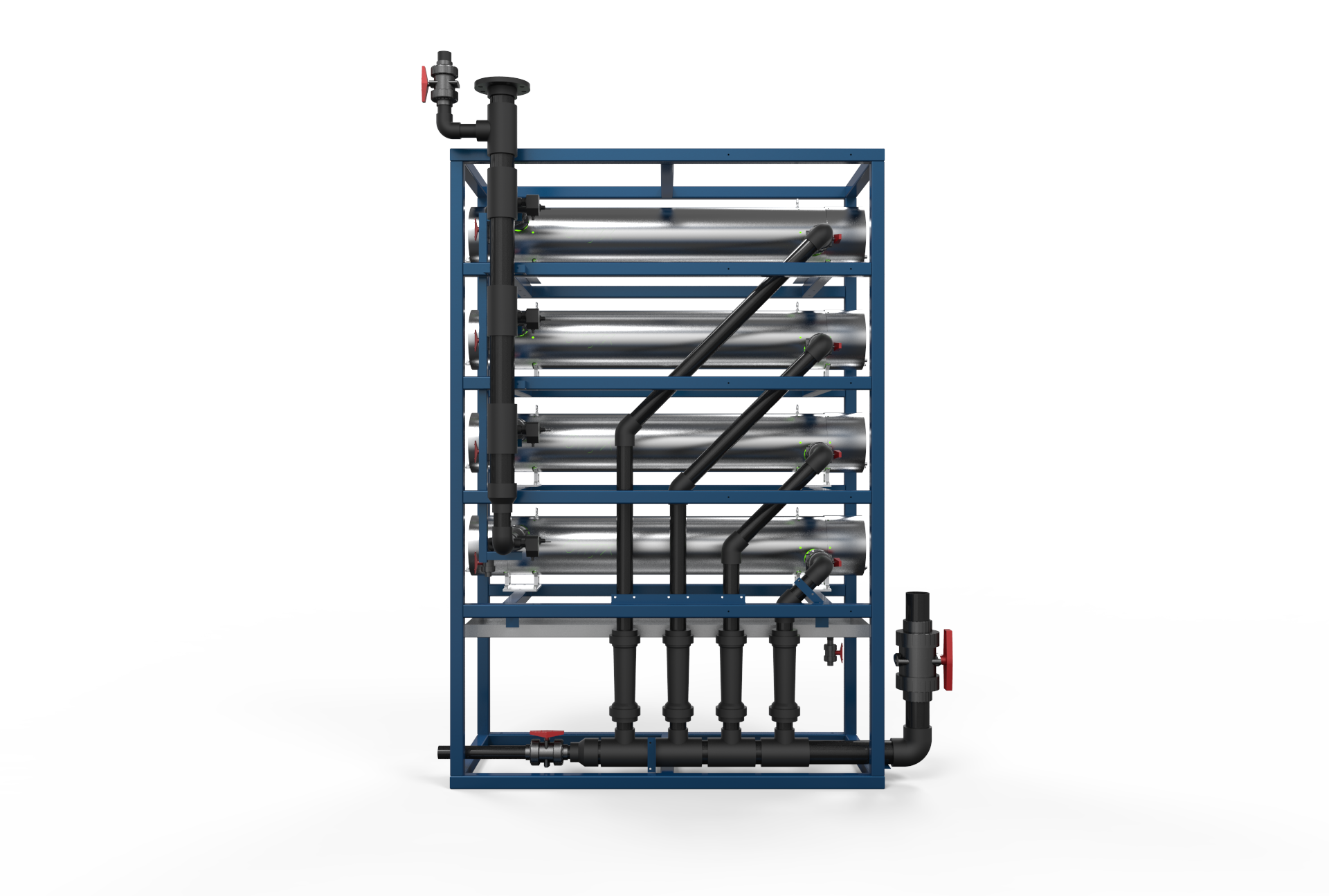
ZL大型管道式紫外
CLEAR中压紫外
MOL板式臭氧发生器
UV-AOP高级氧化
D.FITE滤布滤池
WSH紫外明渠
WTV紫外垂直模块
ZL大型管道式紫外
CLEAR中压紫外
MOL板式臭氧发生器
UV-AOP高级氧化
D.FITE滤布滤池