WSH紫外明渠
WTV紫外垂直模块
ZL大型管道式紫外
CLEAR中压紫外
MOL板式臭氧发生器
UV-AOP高级氧化
D.FITE滤布滤池
ZL大型管道式紫外
CLEAR中压紫外
UV-AOP高级氧化
Extrem中压紫外
EX-Ue紫外
EX-UPW-TOC紫外
MOM板式臭氧发生器
MOS板式臭氧发生器
UV-Fenton光芬顿
UV-Oxidation紫外光氧化
EX-L紫外消毒器
EX-U紫外消毒器
ZL大型管道式紫外
CLEAR中压紫外
One-UV紫外消毒器
Extrem中压紫外
UV-AOP高级氧化
MOS板式臭氧发生器
COG板式臭氧发生器
UV-Fenton光芬顿
中压UV-Oxidation紫外光氧化
光解
巴氏消毒替代
光催化
低压UV-Oxidation紫外光氧化
光选机
并联机器人
直角坐标机器人
赛博一体化集装箱污水处理
D.FITE滤布滤池
模块化污水处理
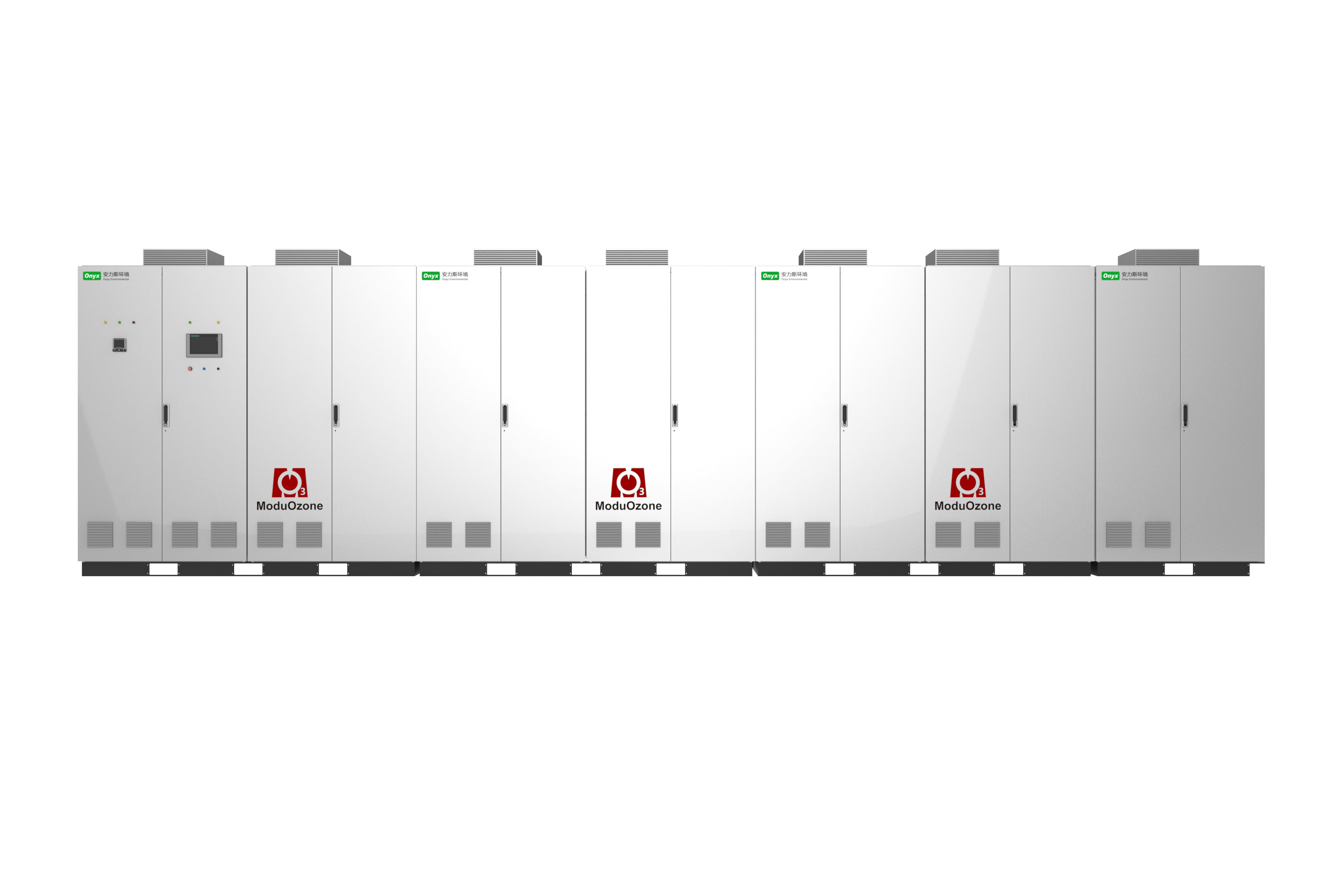
Modu Ozone板式臭氧

Biodegradability is a key indicator of the extent to which organic pollutants in wastewater can be effectively degraded and utilized by microorganisms.
B/C ratio greater than 0.3 indicates that wastewater is relatively easy to biochemically treat.
B/C ratio between 0.1 and 0.3 indicates average biodegradability.
B/C ratio less than 0.1 indicates that the wastewater is difficult to biodegrade and requires pretreatment measures.
Increasing the B/C ratio of wastewater is crucial for optimizing existing biological treatment processes, reducing overall treatment costs, and improving pollutant removal efficiency.

Ultraviolet Advanced Oxidation Processes (UV-AOPs) utilize ultraviolet radiation of specific wavelengths to directly degrade pollutants, or in synergistic action with oxidants (such as hydrogen peroxide (H2O2) or ozone (O3)), to generate highly reactive free radicals (primarily hydroxyl radicals, OH) with strong oxidative potential, thereby transforming and degrading organic pollutants in water.
The photochemical oxidation process converts long chains into shorter ones, breaking them down into readily biodegradable small molecules, alcohols, and carboxylic acids. The production of oxygen-containing intermediates increases significantly during the reaction. These intermediates contain one or more -O, COOH-, or =O functional groups. They typically exhibit higher bioavailability than the original organic compounds and are detoxified. Therefore, photochemical oxidation significantly improves the biodegradability of recalcitrant organic compounds in nearly all applications.
Using appropriate oxidants or catalysts to complement the photochemical reaction can achieve COD/TOC degradation and improve the biodegradability of wastewater.
Trends in Important UV Oxidation Parameters:
1. Chain scission and ring opening of macromolecular organic compounds
2. Introduction and transformation of functional groups
3. Detoxification/reduction of toxic and hazardous substances
4. Generation of bioavailable substrates

Clear Medium Pressure UV Disinfection System
The ONYX-Clear-SZ in-line medium-pressure UV sterilizer utilizes medium-pressure multi-spectral UV lamps to not only destroy DNA/RNA but also intracellular enzymes and proteins, resulting in more thorough sterilization. It is designed to disinfect and degrade toxic micropollutants in water, including NDMA, 1,4-dioxane, endocrine disruptors (EDCs), pesticide residues, cyanobacterial toxins, GSM (geosmin), and 2-MIB (dimethylisoborneol).
In addition, combining oxidants such as O₃ and H₂O₂ with UV light, such as UV-O₃ and UV-H₂O₂ processes, can be used to oxidatively remove recalcitrant substances and organic matter, such as CC14 and polyaminobiphenyls, from wastewater.
MOL Ceramic Plate CD Ozone Generator
The ONYX-MOL plate-type ozone generator features a modular design that allows for block-type assembly based on gas production capacity, resulting in a compact structure.
Utilizing high-purity aluminum-based ceramic electrodes and a highly resistant micro-arc oxidation process, the system delivers stable and reliable performance with an ultra-low attenuation rate. Uniform micro-gap high-frequency discharge delivers energy savings of 20-35%. The ozone concentration is adjustable from 0 to 240 mg/L, saving up to 40% oxygen.
The power-on auto-start design eliminates the need for manual intervention. It features self-diagnosis during operation, error handling, and intelligent recovery. Edge computing and cloud service coordination are integrated for operational status.
Medium-pressure UV-Oxidation
Medium-pressure ultraviolet oxidation (MPUV-Oxidation) is an advanced oxidation technology that uses ultraviolet (UV) light to excite oxidants to generate strong oxidative free radicals (primarily ·OH hydroxyl radicals), effectively degrading organic pollutants in water. MPUV-Oxidation boasts a waste-free production process (no secondary pollution), broad-spectrum performance (suitable for most wastewater treatment), effective treatment of difficult-to-degrade and high-concentration wastewater (up to 300,000 mg/L COD), and significantly improved bioavailability (up to nearly 100%). It is widely used in industrial wastewater pretreatment and advanced treatment.