WSH紫外明渠
WTV紫外垂直模块
ZL大型管道式紫外
CLEAR中压紫外
MOL板式臭氧发生器
UV-AOP高级氧化
D.FITE滤布滤池
ZL大型管道式紫外
CLEAR中压紫外
UV-AOP高级氧化
Extrem中压紫外
EX-Ue紫外
EX-UPW-TOC紫外
MOM板式臭氧发生器
MOS板式臭氧发生器
UV-Fenton光芬顿
UV-Oxidation紫外光氧化
EX-L紫外消毒器
EX-U紫外消毒器
ZL大型管道式紫外
CLEAR中压紫外
One-UV紫外消毒器
Extrem中压紫外
UV-AOP高级氧化
MOS板式臭氧发生器
COG板式臭氧发生器
UV-Fenton光芬顿
中压UV-Oxidation紫外光氧化
光解
巴氏消毒替代
光催化
低压UV-Oxidation紫外光氧化
光选机
并联机器人
直角坐标机器人
赛博一体化集装箱污水处理
D.FITE滤布滤池
模块化污水处理
Modu Ozone板式臭氧

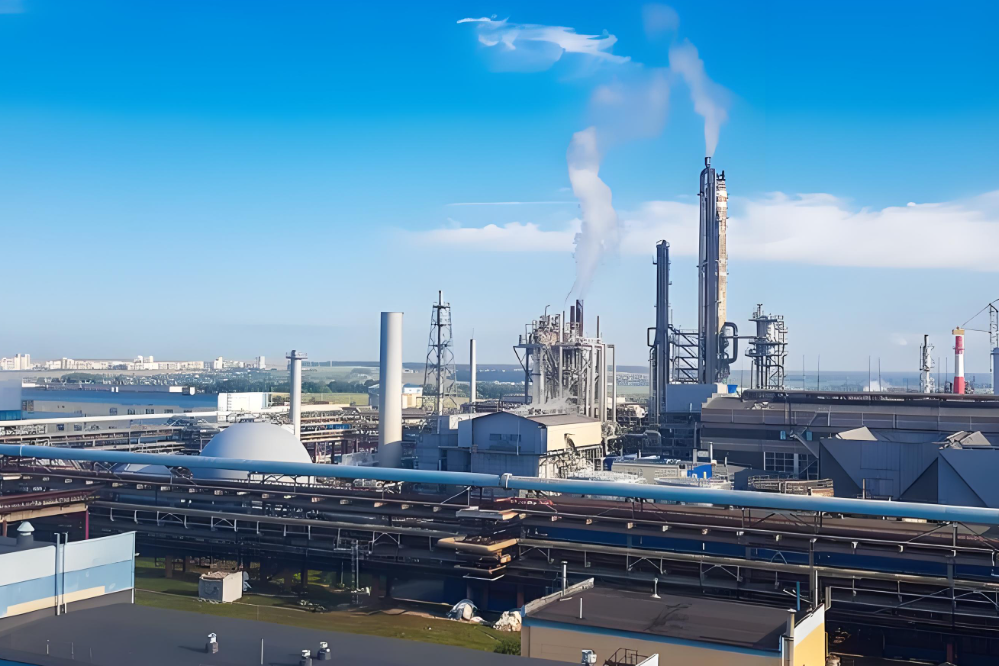
Chemical waste salt refers to solid waste or high-salt waste liquid with inorganic salts as the main component produced in chemical production (such as chlorination, diazotization, acidification, nitrification, oxidation, condensation, etc.) or wastewater treatment processes (such as neutralization, filtration, evaporation, crystallization), mainly including sodium salts, calcium salts, ammonium salts, potassium salts, etc. Its composition is complex and often contains residual reactants, by-products and toxic and harmful organic impurities.
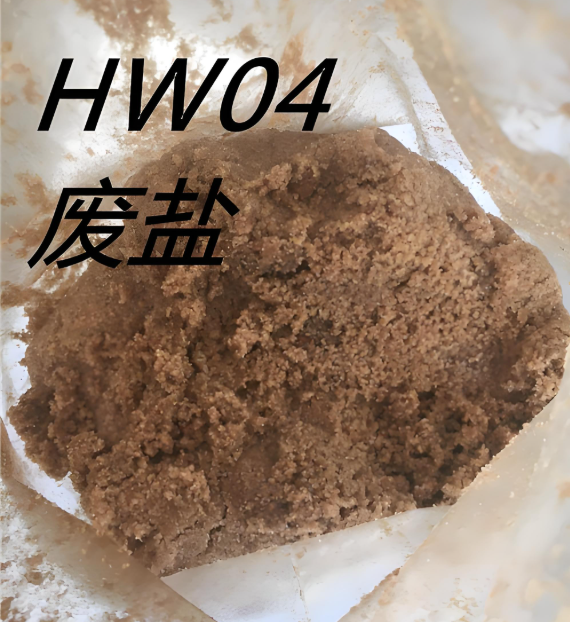
Traditional treatment methods for chemical waste salt primarily include landfill, dissolved salt crystallization, incineration (high-temperature oxidation), and salt washing. Removing organic matter from chemical waste salt is crucial for purification, and UV-based advanced oxidation technology is an effective method for removing organic matter.
Advanced Oxidation Processes (AOPs)
Organic matter contained in chemical waste salt is often not a single component, but rather a complex mixture of multiple parent compounds, intermediates, and byproducts, each with varying chemical structures, reactivities, and concentrations. While UV-AOPs are considered broad-spectrum oxidation technologies, their degradation rates and pathways for different organic compounds can vary significantly. Achieving the simultaneous, efficient, and complete removal of all organic pollutants requires selecting the appropriate UV-AOP process. UV/H₂O₂ and UV/O₃/H₂O₂ processes offer different options for different waste salt purification processes.
UV-AOPs are typically used as a unit in the entire waste salt treatment process chain (such as pretreatment or advanced treatment). Their efficient operation relies on good coordination and system integration with upstream and downstream process units (such as waste salt dissolution, prefiltration, pH adjustment, subsequent biological treatment, membrane concentration, evaporation and crystallization, etc.). The synergy between different units, the connection of operating conditions, and the placement of intermediate buffers all require careful design and optimization.
Advantages of Advanced Oxidation Technology
· Clean Production: Applying UV-AOPs to the end-of-pipe treatment of chemical waste salts or as an in-process purification enhancement technology can help chemical companies reduce the amount and harmfulness of final waste and improve overall clean production standards.
· Environmentally Friendly: The oxidant H₂O₂ used in the UV/H₂O₂ process ultimately decomposes into water and oxygen, making it considered a relatively green oxidation technology.

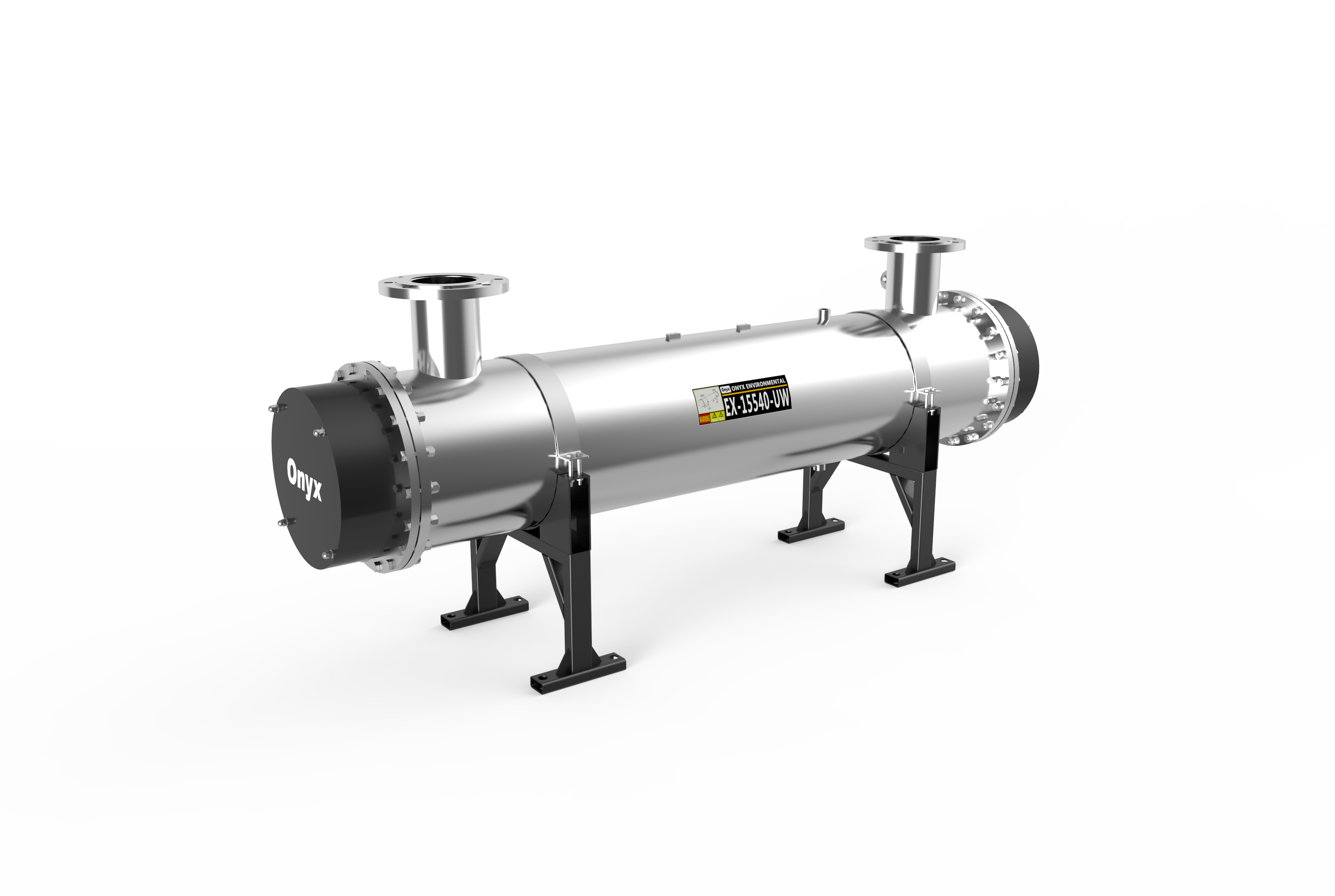
EX-UPW-TOC UV TOC System
The EX-UPW-TOC product series is an advanced and reliable system for total organic carbon (TOC) degradation in ultrapure water (UPW) production. Through enhanced 185nm transmittance, real-time UV intensity monitoring, and local/remote intelligent control, it achieves efficient, safe, and controllable TOC degradation. This equipment can reduce TOC levels in ultrapure water to below 1 ppb during the UPW production process.
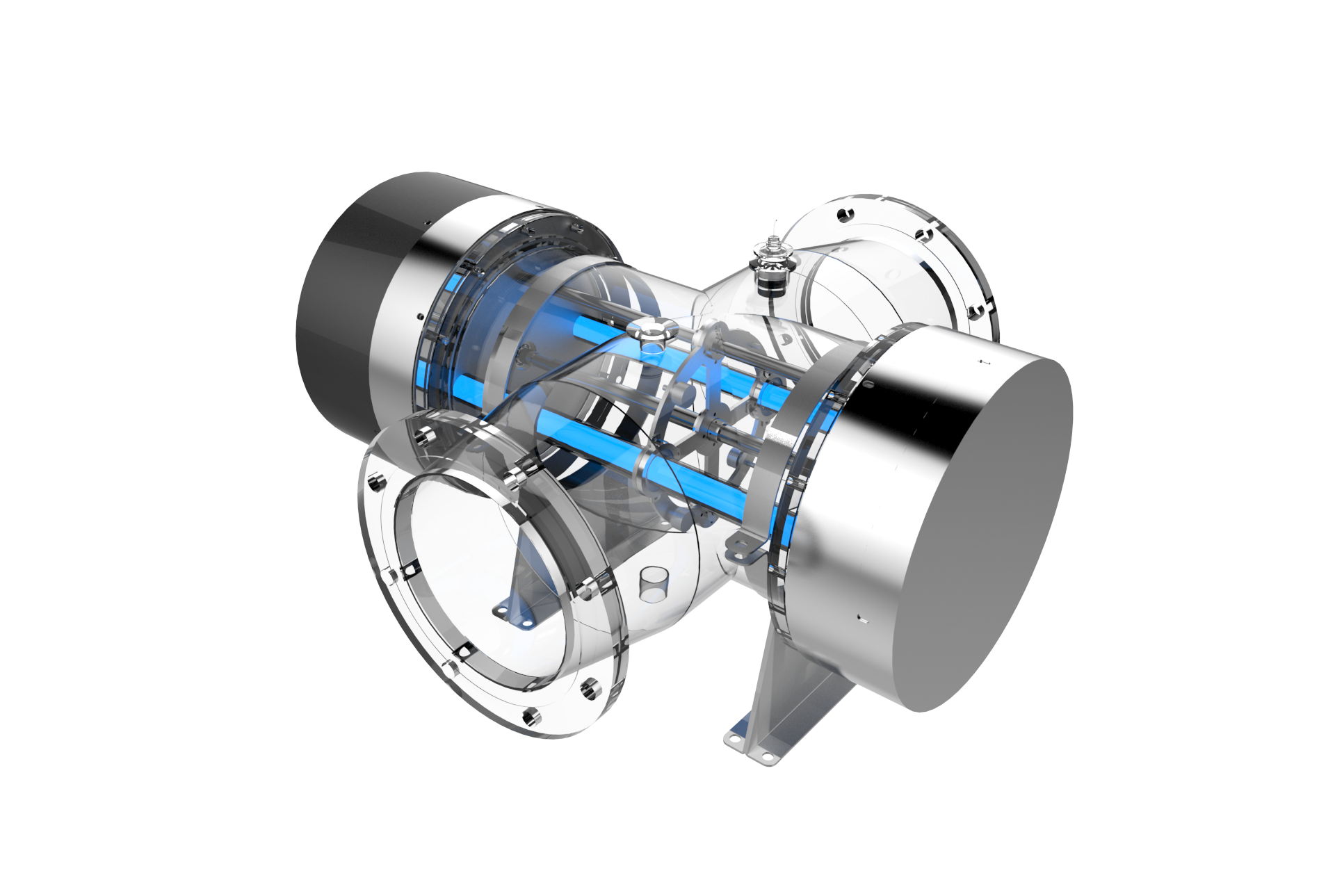
CLEAR Medium pressure UV Disinfection System
The ONYX-Clear-SY in-line medium-pressure UV sterilizer uses medium-pressure UV lamps for physical sterilization, without the addition of any chemicals or secondary pollution. It offers safe operation, ease of use, and reduced operating costs and maintenance.
The treated water does not affect taste or flavor. It complies with water standards such as the Food Safety Law of the People's Republic of China, the Sanitary Standard for Drinking Water (GB 5749), the Drinking Water Quality Standard (CJ94-2005), the National Food Safety Standard for Drinking Natural Mineral Water (GB 8537-2018), and the Packaged Drinking Water Standard (DGB19298-2014).
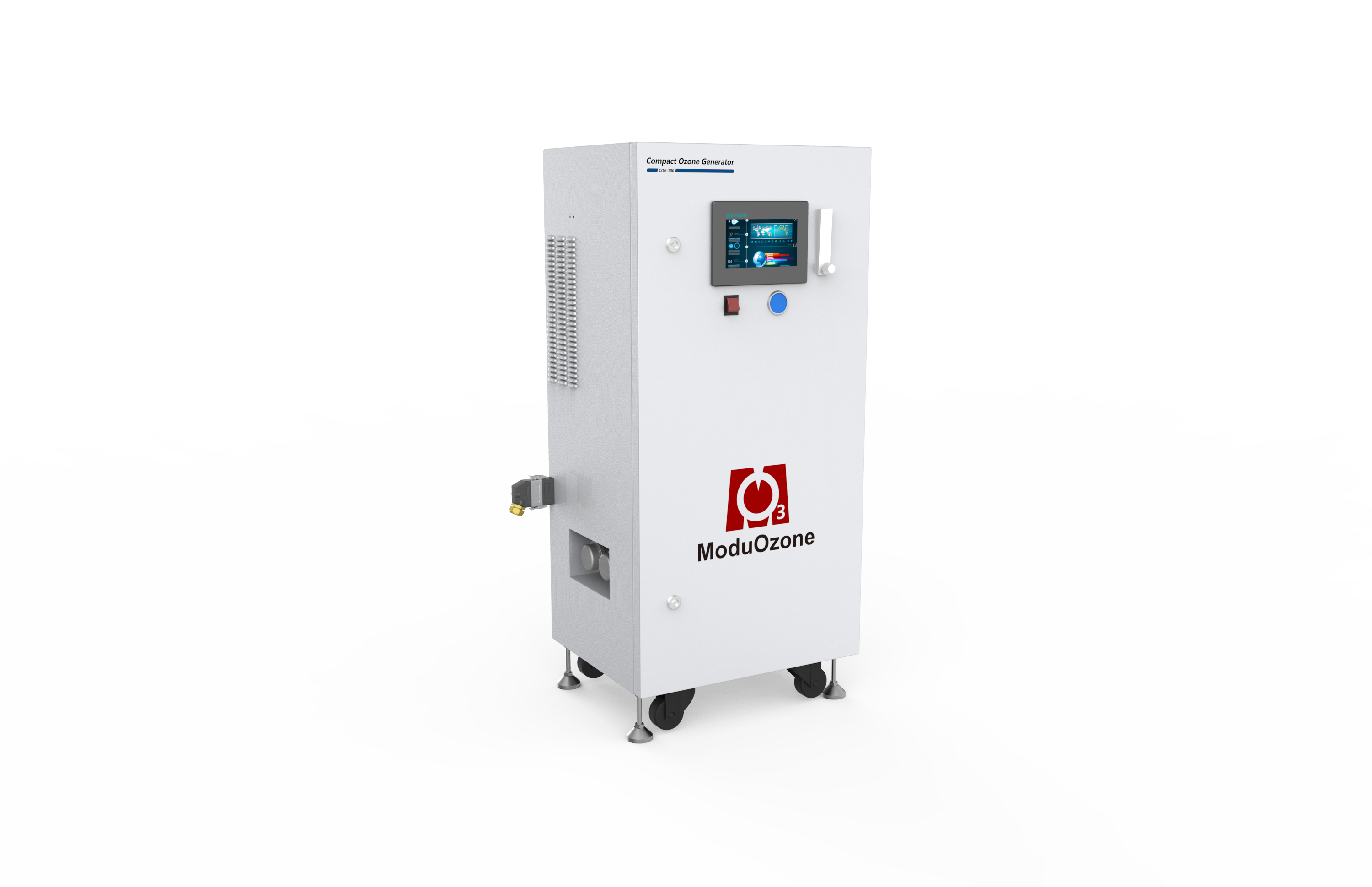
COG Ceramic Plate CD Ozone Generator
The COG series ozone generators feature a built-in ModuOzone® high-concentration ozone discharge chamber and a dedicated high-frequency digital power control drive system. The discharge chamber utilizes high-purity alumina ceramic, features ultra-fine-gap high-frequency discharge, and features efficient water or air cooling to ensure optimal ozone output concentration and efficiency. The equipment integrates a maintenance-free, high-efficiency air compressor and a high-purity oxygen production system, making it suitable for a variety of applications. The COG series ozone generators feature an integrated pressure regulating valve, flow meter, and LCD touchscreen, allowing for adjustable ozone concentration and output levels. The equipment boasts a compact structure, simple operation, easy installation, and ease of maintenance, making it suitable for a wide range of applications, including water treatment, deodorization, decolorization, pharmaceutical manufacturing, wastewater treatment, and food processing.
UV Photolysis
UV photolysis generally refers to the use of ultraviolet (UV) light to decompose substances, particularly pollutants.
Specific wavelengths of UV light (usually short-wavelength UV-C, such as 254 nm) can directly break the molecular bonds of certain substances (especially organic pollutants), causing a cracking reaction that breaks them down into smaller molecules, free radicals, or ultimately mineralizes them into CO₂ and H₂O. This is known as direct photolysis. It is primarily used for TOC removal in ultrapure water, residual chlorine removal and disinfection prior to RO membranes for purified water, and the decomposition and disinfection of ammonium chloride in swimming pools and water features.