服务

Services

页面banner
首页>服务
Technical Support

售后服务 技术支持 渠道服务 备品备件

UV dose design

In the water treatment disinfection/oxidation process, the design of UV dose, selection and configuration of lamp models must follow the six steps of "required dose → water quality parameters → hydraulic conditions → lamp selection → dose calculation and verification biological verification or CFD simulation → fault point design".


询价

相关介绍

1. Required dose

Actual dose requirements(Dose Target)

According to the standard


Drinking water (including direct drinking water)

40 mJ/cm²


Class A sewage discharge

20 mJ/cm²


Recycled water reuse

40-60 mJ/cm²


Medical wastewater

60-80 mJ/cm²


ballast water(IMO)

60 mJ/cm²


2. Determine the UVT254 transmittance, flow rate, TSS, and other water quality parameters.

3. Select the photochemical reaction flow pattern and effective UV power requirements based on hydraulic conditions.

4. Select the most suitable lamp and configuration.

Low-pressure high-intensity lamp (LPHO)

Medium-pressure lamp (MP)

Low-pressure amalgam lamp

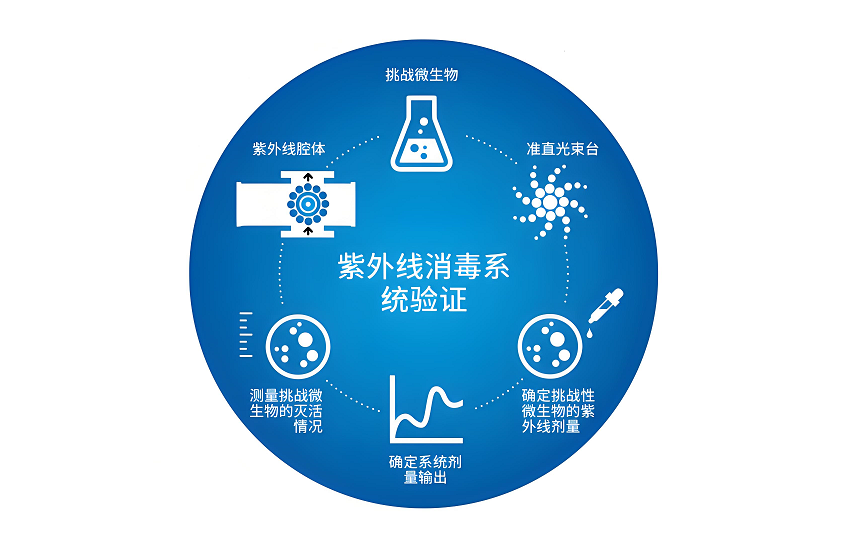
5. Dose calculation and verification (RED)

6. Fault point design

The lamp configuration should be designed based on the maximum flow rate fluctuation of the system, the attenuation coefficient before lamp replacement due to aging, and the worst-case scaling factor that the cleaning system can achieve.

Through these steps, the UV system can achieve a balance between regulatory compliance, cost-effectiveness, and ease of operation and maintenance.

Customer UV Dosage Design Requirement Form (link)

ONYX UV Photochemical Intelligent Dosage Design and Equipment Recommendations (link)


系统参数

安力斯环境

地址:北京市海淀区上地信息路11号彩虹大厦北楼一层东110室

电话:010-82890788

邮箱:services@onyxepi.com

官方微信
官方微信

微信咨询
微信咨询