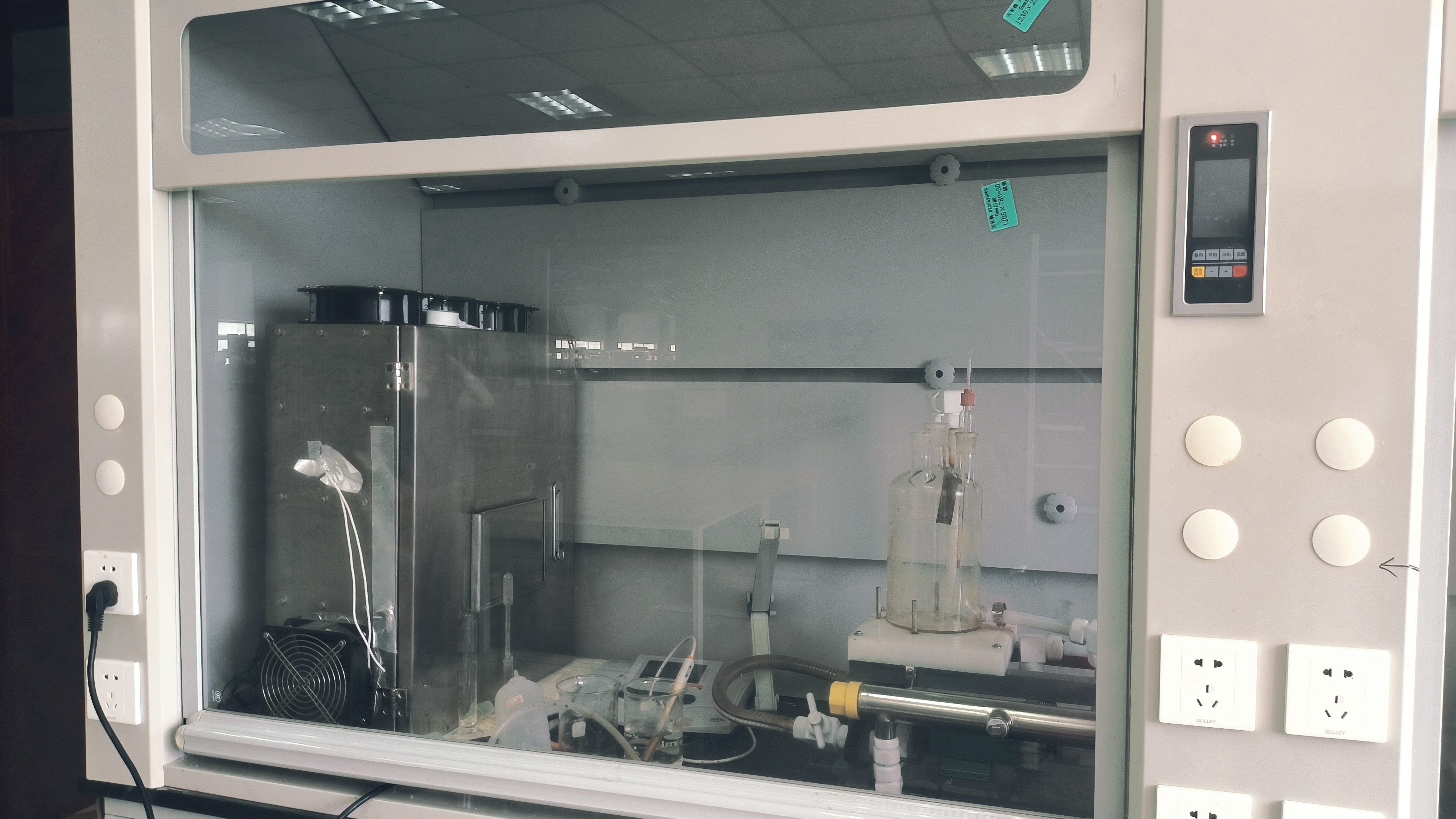
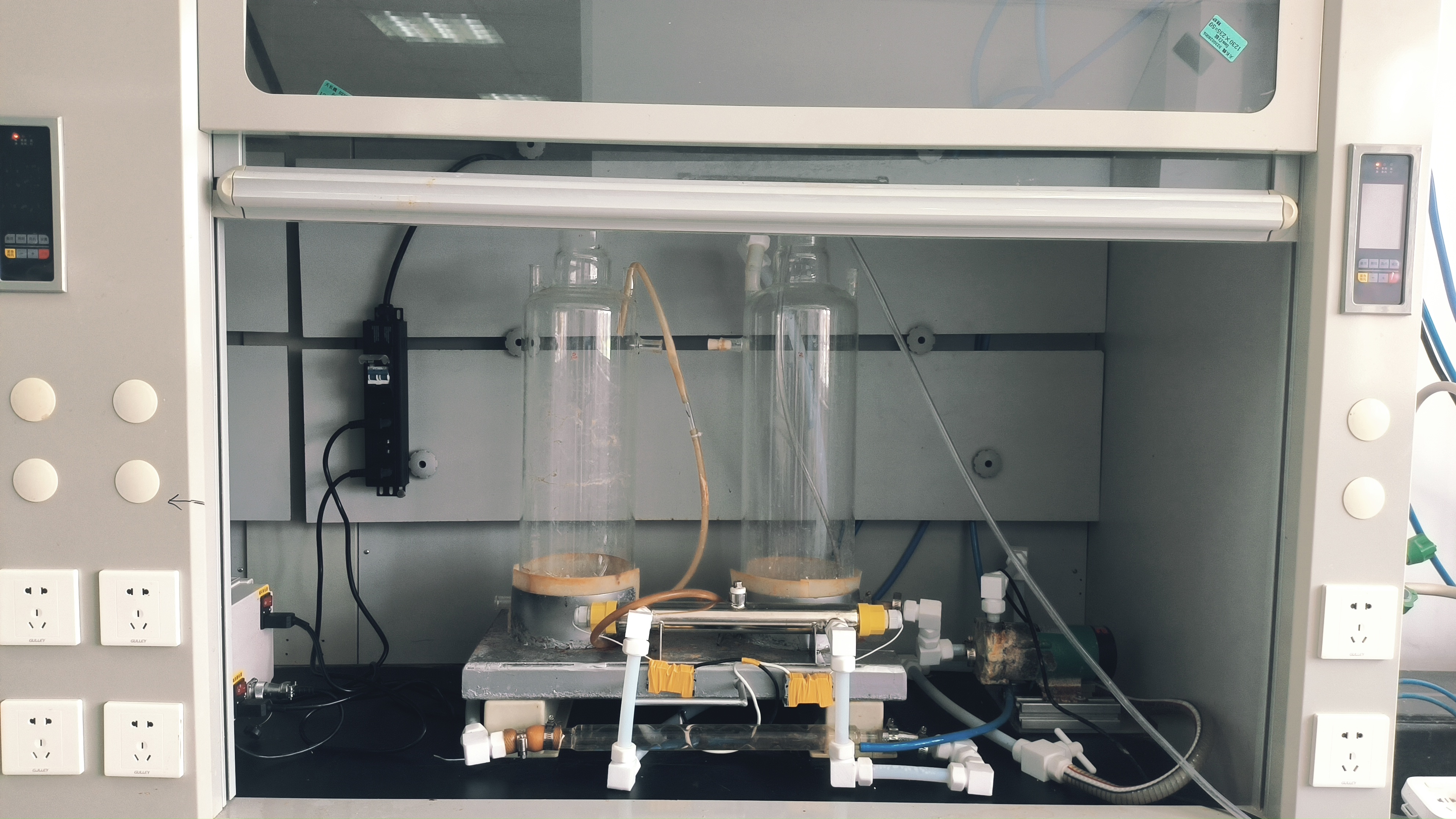
The process is as follows:
1. Preliminary Communication
1.1 Wastewater Data Collection
• Obtain MSDS and complete water quality analysis (COD, BOD₅, TOC, characteristic pollutants, salinity, toxicity, etc.)
• Clarify discharge destination and target limits (national/local standards or internal reuse indicators)
1.2 Objective Confirmation
• Determine the primary objectives of the pilot test: toxicity reduction, biodegradability improvement, characteristic pollutant removal rate, or COD removal rate, etc.
2. Experimental Design
2.1 Plan Development
• Select an oxidation system based on wastewater characteristics, such as UV-AOP, UV/hydrogen peroxide, UV/ozone, or persulfate.
• Design a single-factor (pH, oxidant dosage, UV power, reaction time) and orthogonal/response surface optimization experimental matrix.
2.2 Safety Assessment
• SDS Review: Confirm there is no risk of generating more toxic byproducts after UV photolysis.
• Laboratory ventilation, protection, wastewater neutralization, and separate collection plans.
3. Pilot Experiment
3.1 Apparatus Preparation
• Use a 0.5–5 L batch or continuous flow microreactor equipped with an adjustable power low-pressure mercury lamp or medium-pressure lamp
• Online temperature control (20–40°C), magnetic/mechanical stirring, and a quartz sleeve for anti-fouling
3.2 Operation
• Measure relevant water quality indicators and adjust pH (typically a gradient between 3 and 9)
• Add oxidant and catalyst
• Set UV dose
• Take samples for monitoring at different time intervals
3.3 Sample Analysis
• Rapid indicators: ORP, DO, pH, temperature
• Key indicators: COD, TOC, concentrations of characteristic pollutants
• Byproducts: Formaldehyde, nitrate, bromate, etc. (if necessary)
4. Data Processing
4.1 Calculate removal efficiency and plot curves
4.2 Preliminary Economic Evaluation
• Estimate oxidant, power consumption, lamp depreciation, and hazardous waste disposal costs
• Compare costs with other treatment processes
5. Results Report
5.1 Pilot Test Report
• Includes experimental setup diagrams, raw data, optimal operating conditions, and before-and-after toxicity/biodegradability comparisons.
• Recommended scale-up for pilot testing (generally 50–100x) and process risk points.
5.2 Technical Handover
• Provide process package: reactor type, residence time, oxidant dosing control logic, lamp cleaning method.
• Clarify subsequent pilot site requirements (water inflow, hydraulic retention time, and online monitoring configuration).
Notes
1. If the wastewater contains high salt content (>100 g/L) or high color, first assess its impact on UV transmittance.
Add a dilution or pre-decolorization step if necessary.
2. For biological wastewaters such as antibiotics and hormones, the pilot test should focus on "toxicity reduction and improving the B/C ratio," rather than achieving compliance immediately. Subsequent biochemical or advanced treatment is still required.
3. UV spectroscopy should be verified during the pilot test. The lamp scaling/fouling rate provides data for the frequency of online cleaning or chemical cleaning in subsequent pilot tests.

 WSH紫外明渠
WTV紫外垂直模块
ZL大型管道式紫外
CLEAR中压紫外
MOL板式臭氧发生器
UV-AOP高级氧化
D.FITE滤布滤池
WSH紫外明渠
WTV紫外垂直模块
ZL大型管道式紫外
CLEAR中压紫外
MOL板式臭氧发生器
UV-AOP高级氧化
D.FITE滤布滤池