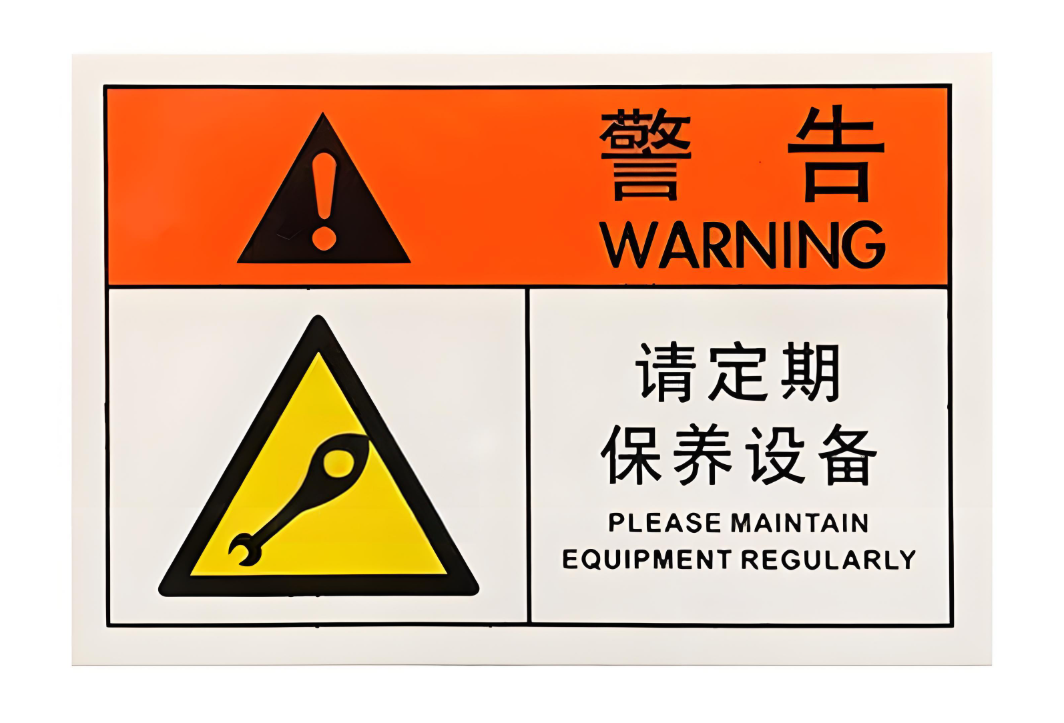
Specific work content and recommended cycle times are as follows: Before any operation, the power must be turned off, the inlet and outlet valves must be closed, and any water in the chamber must be drained. Operating under pressure or with electricity is strictly prohibited.
I. Light Intensity Performance
1. Lamp Inspection and Replacement
• Check the UV254nm intensity for normal variations and large fluctuations.
• Lamp Life Management: Regardless of appearance, lamps must be replaced upon reaching the manufacturer's specified useful life.
• Replacement: Wear clean cotton gloves to avoid contamination of the lamp with hand sweat.
2. Casing Cleaning
• Models without automatic cleaning or intensity display: For normal water quality, manually clean every three months. For water sources with high hardness or turbidity, check monthly, or reduce this to weekly if necessary.
• Cleaning Method: Gently wipe with an alcohol swab or soft cloth. Avoid scratching with hard objects. After completion, reinstall the sealing ring and confirm that there are no leaks.
• For models with intensity control but no cleaning device, the intensity display alarm must be manually cleaned.
• Models with automatic cleaning should be cleaned offline regularly according to the product manual.
II. Hydraulic and Sealing Systems
1. Seals/Gaskets: Inspect every six months. Replace any hardening, cracking, or deformation. Focus on inspecting the lamp end caps, inlet and outlet flanges, and drain valves.
2. Piping Connections: Retighten all joints and flange bolts during each disassembly and maintenance. If water leakage is detected during operation, reduce the pressure before handling; do not tighten under pressure.
III. Performance Verification
1. Online Light Intensity Meter: Replace the lamp when the light intensity decreases below 80% of the initial value.
2. No Online Monitoring: Perform spot checks monthly using a calibrated UV meter.
3. Microbiological Verification: Collect water samples quarterly for total bacterial count or E. coli testing. If abnormal results are found, clean the casing and other equipment before re-inspecting.
IV. Electrical and Controls
1. Ballast/Power Supply Module: Every six months, disconnect the power cord and inspect for loose terminals and corrosion. Ensure the cooling fan is free of abnormal noise and dust accumulation in the air ducts.
2. Hour Counter/Alarm: Battery-powered hour counters should have their batteries replaced every 1–2 years. If the LED indicator is off, first check the lamp and then the ballast.
5. Records and Planning
Based on the equipment's level of automation, establish a five-part ledger: "lamp hours, sleeve cleaning date, seal replacement batch, light intensity test values, and water sample test values." Use this data to adjust the next maintenance cycle, enabling either manual or system-driven predictive maintenance.
6. Overhaul and Professional Services
Perform a comprehensive overhaul every 1–2 years, or when replacing large batches of lamps due to aging. This includes disassembling and inspecting the ballast, calibrating the light intensity meter, and replacing all seals and aging cables. This overhaul is recommended to be performed under the guidance of manufacturer professionals.

 WSH紫外明渠
WTV紫外垂直模块
ZL大型管道式紫外
CLEAR中压紫外
MOL板式臭氧发生器
UV-AOP高级氧化
D.FITE滤布滤池
WSH紫外明渠
WTV紫外垂直模块
ZL大型管道式紫外
CLEAR中压紫外
MOL板式臭氧发生器
UV-AOP高级氧化
D.FITE滤布滤池